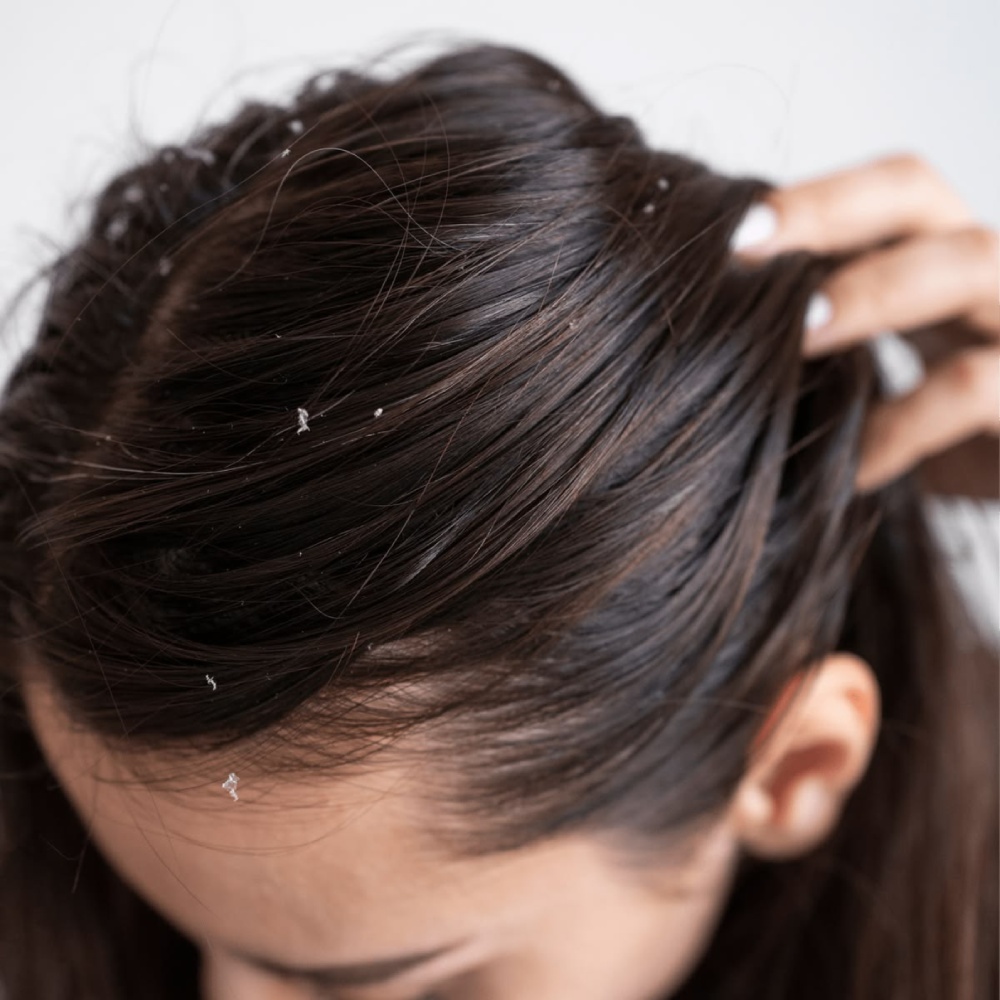
Why Does Hair Fall and Dandruff Increase in Winter? 7 Ways to Keep Your Scalp Healthy
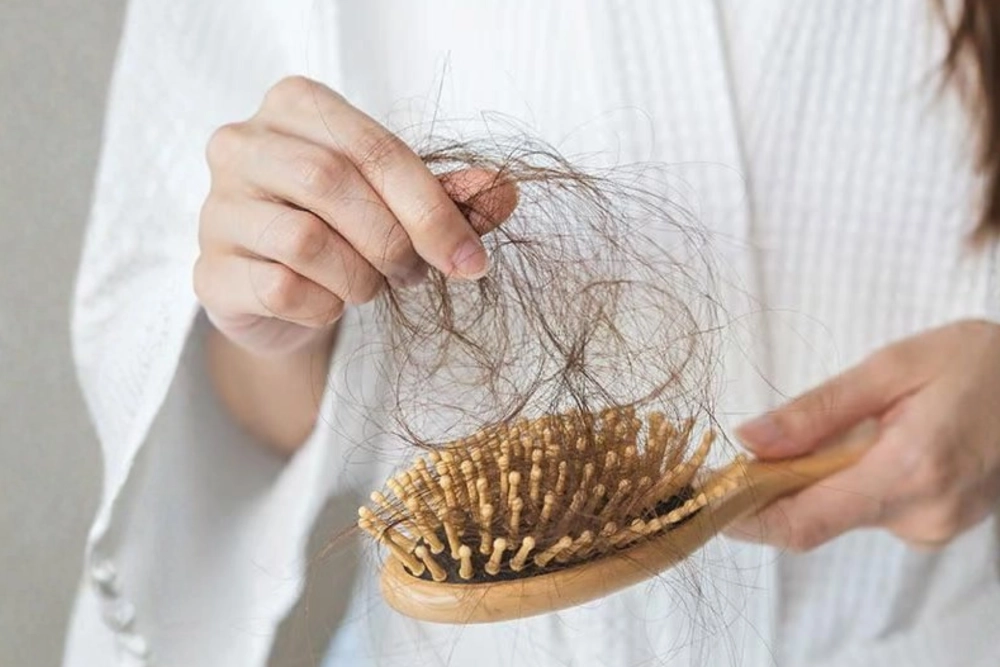
Brush your hair in winter and the bristles look fuller. Pull off a dark sweater and your shoulders look dusted. Hair fall in winter and dandruff often arrive together and it is easy to blame the season for both. The truth is more useful: winter rarely starts the problem, but it makes your scalp a harder place to live.
Your scalp is skin, with more oil glands and more hair than the rest of your face. Treat it the way you treat your face and this season gets much easier. This guide explains what is really happening, how to tell hair fall from dandruff, seven ways to keep your scalp healthy and when to see a specialist.
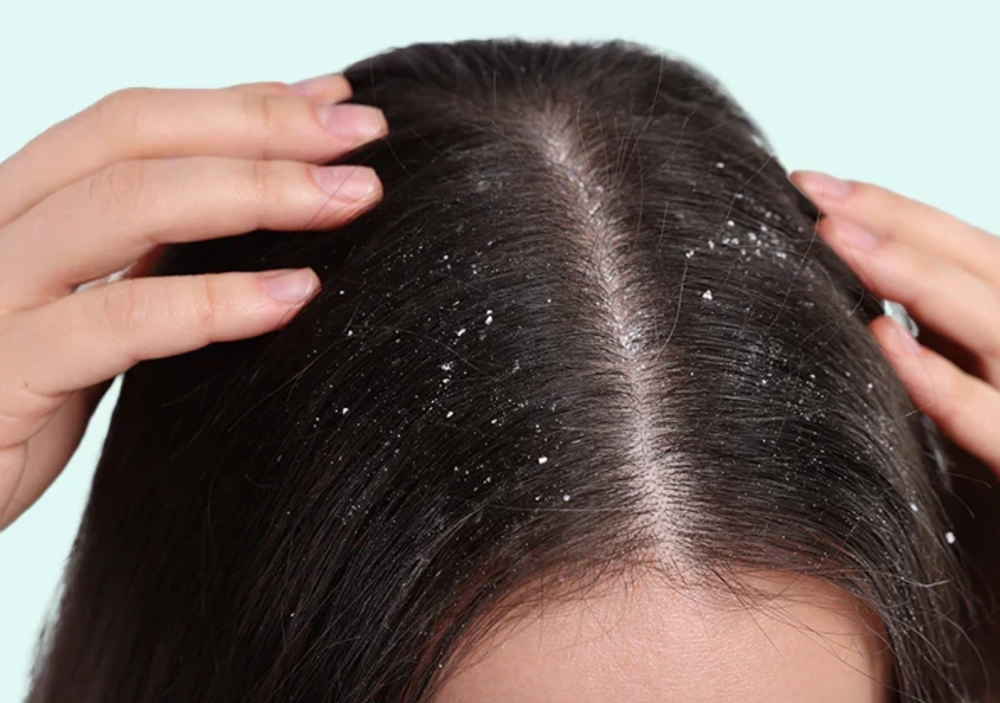
Three things overlap in the cold months.
Your scalp dries out: Cold air outside and heaters inside pull moisture from the skin. A dry, tight scalp flakes and itches more and scratching irritates the follicles. Dry hair also breaks more easily and broken strands look just like hair fall.
Dandruff gets a head start: Malassezia is a yeast-like fungus that lives on every scalp and in some people it triggers flaking and redness. Henry Ford Health notes that dandruff “can get worse with changes in the weather and humidity during fall and winter months”, because skin is drier in the cold.
Seasonal shedding peaks just before winter: In a study that followed ten men for 8 to 14 years, the share of hairs in the resting phase was highest at the end of summer and the start of autumn. That is a very small study, so treat it as a clue, not a rule. It suggests the strands you lose now may be the tail end of a shedding cycle that began months ago.
So the season is an amplifier, not usually the root cause. That is good news, because an amplifier can be turned down.
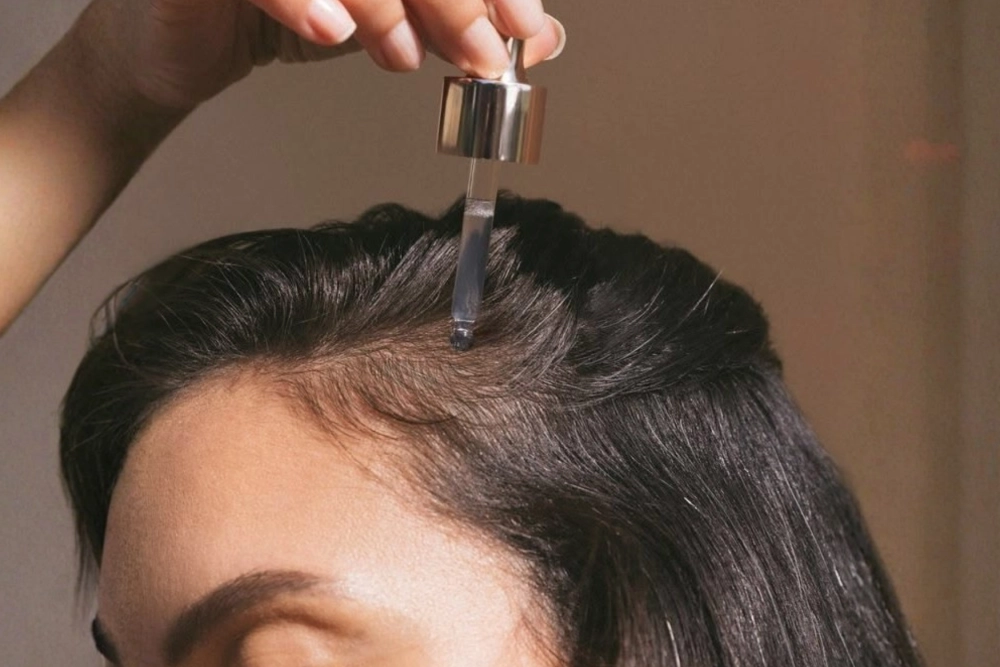
Some shedding every day is normal. Commonly quoted figures run from about 50 to 150 hairs a day and no single number fits everyone, so compare with your own usual, not a chart.
Also look back. Hair shed today often reflects a trigger two to three months ago, such as a fever, illness, heavy stress, rapid weight loss or childbirth. If winter is the only thing you can think of, the real cause may sit earlier on the calendar.
| What you see | Likely story | First move |
|---|---|---|
| White or yellow flakes with itching | Dandruff or seborrheic dermatitis if the scalp is also red | Medicated shampoo, covered below |
| Tight, dry scalp with fine flakes | Winter dryness | Gentler washing and moisture |
| Short, broken pieces on the brush | Breakage from dry, brittle hair | Less heat, more conditioner |
| Long strands coming out from the root, more than usual | Shedding | Look back three months, then see a specialist if it lasts |
Two habits sit underneath all seven: be gentle and be consistent for at least a month before judging a change.
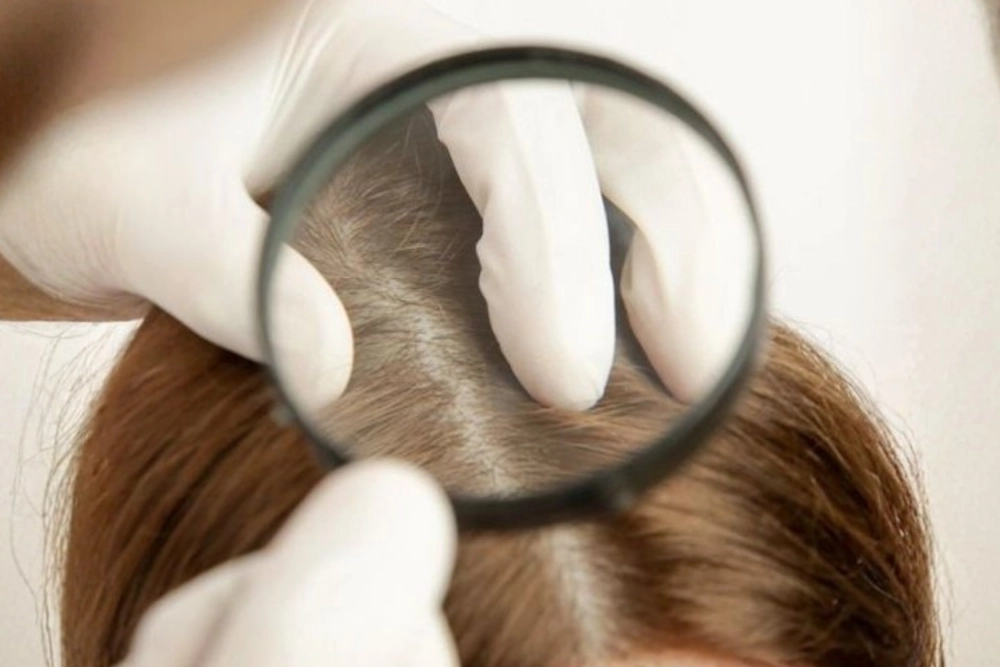
Book a consultation if you notice any of these:
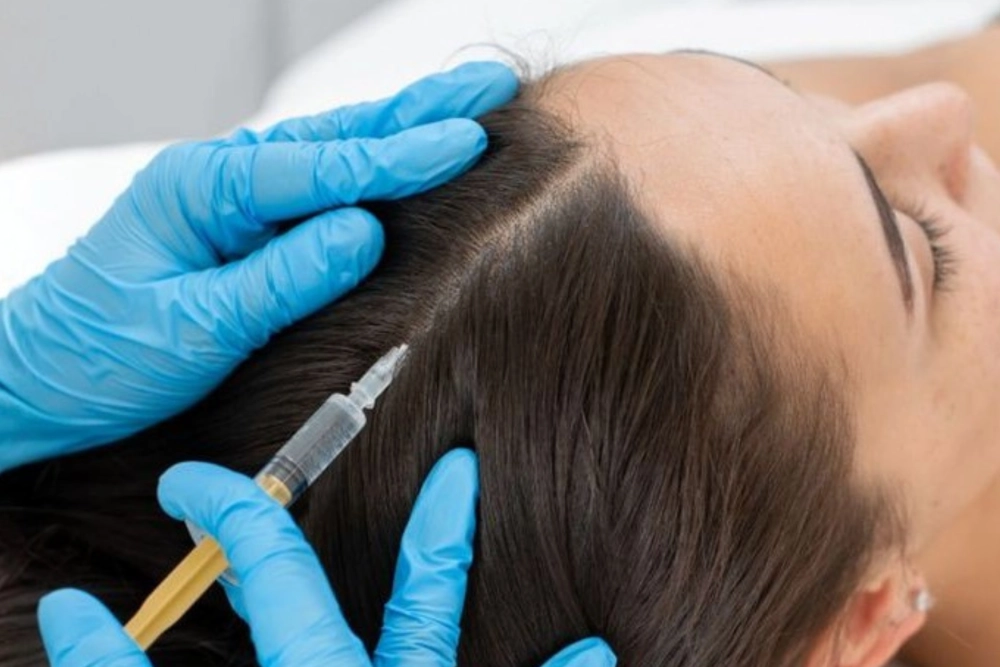
A specialist looks at the cause first, then the treatment. At The Klarity, the hair treatments range from scalp care to options for diagnosed thinning:
The right plan depends on your diagnosis, so no treatment should be picked from a menu.
What to expect at a consultation. Expect questions about the last three months, family history, diet and the products you use, a close look at your scalp and sometimes blood tests. The aim is a diagnosis first, then a plan.
Not sure whether it is dandruff, breakage or shedding? Book a scalp consultation and ask the team about the plan and pricing that fit your scalp.

Hair fall in winter is rarely about the season alone. Dry air, a restless dandruff yeast and an earlier shedding cycle all pile onto the same scalp. Wash gently, moisturise, pick the right shampoo, protect the lengths and look at your nutrition and most people see things settle within a month or two.
If they do not, you deserve an answer, not another shampoo. At The Klarity, Dr. Jalpa Jani, a dermatologist and trichologist and her team look at your scalp and your history before suggesting anything. Book your appointment online for personalised hair and scalp care.
Winter dries the scalp, which brings flaking, itching and breakage. Dandruff also tends to flare in the cold. On top of that, seasonal shedding may peak around autumn, so the hair you lose in winter can be the tail end of that cycle.
Some shedding is normal every day and commonly quoted figures run from about 50 to 150 hairs. Seeing more than usual for you for several weeks is worth a closer look. Persistent or patchy loss deserves a proper check.
Wash with lukewarm water, do not skip washes and use a medicated shampoo with ketoconazole, zinc pyrithione or selenium sulphide as directed. Add a moisturising conditioner on the lengths. If flakes or redness persist after about four weeks, see a doctor.
Dandruff alone is not usually a major cause of hair loss. But an itchy, inflamed scalp leads to scratching, which can irritate follicles and break hair. Treating the dandruff protects the scalp and keeps the problem from growing.
Not really. Hot water is the bigger problem, not washing itself. Skipping washes lets oil and flakes build up, which can worsen dandruff. Wash two to three times a week with lukewarm water and adjust to how oily your scalp feels.
It depends on the trigger. Shedding that follows a fever, stress or illness often settles over a few months once the trigger passes. If it continues beyond two to three months or you see thinning or patches, get it assessed.
A light oil before washing can soothe dryness. If you are prone to dandruff, keep it light and wash it out the same day, since heavy oils can worsen flaking. Oil does not treat dandruff or stop genetic hair loss.
Klarity Skin Clinic, M – 69, First Floor,
M Block Market, Greater Kailash II, New Delhi 110048
Copyright © 2026 All Rights Reserved.
Klarity Skin Clinic is Unit of Acara Wellness Private Limited.