
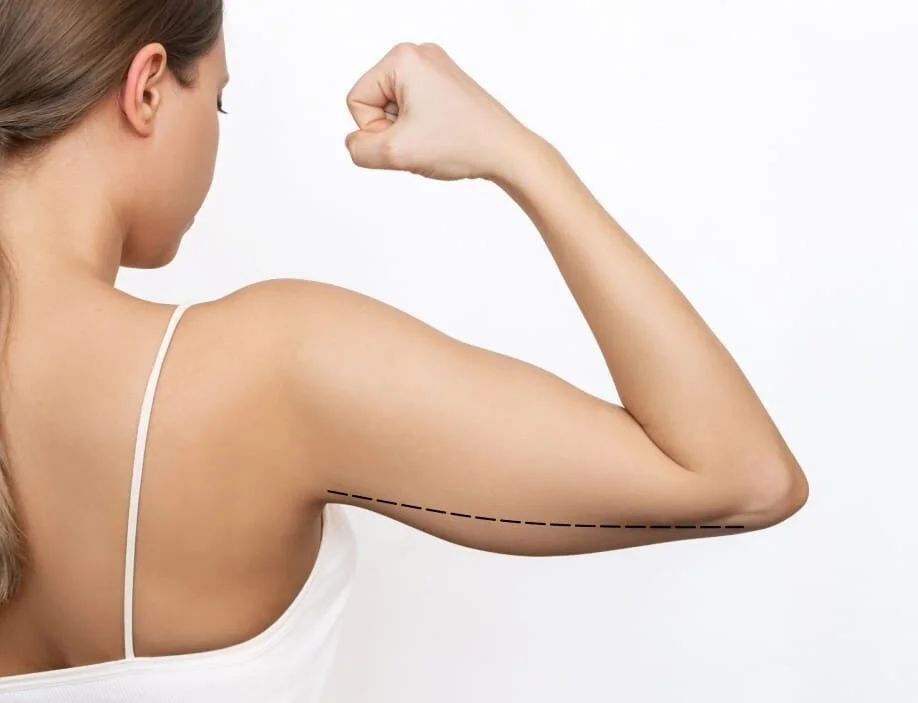
A thread lift isn’t just for the face; it’s an innovative way to enhance the body through subtle, minimally invasive means. This procedure, known as a “rejuvenation session,” uses absorbable, barbed sutures to firm and sculpt areas of the body like the arms, abdomen, and thighs. By strategically placing these threads under the skin, collagen production is stimulated, leading to firmer, smoother skin and a more toned appearance. The threads are anchored deep within the tissues, ensuring the lift and sculpting effect lasts. For those seeking body slimming and enhanced contours without invasive surgery, the thread lift offers an excellent alternative, delivering noticeable results with minimal downtime. Whether targeting sagging skin or seeking a subtle lift, threadlift treatment for body sculpting delivers impressive results.
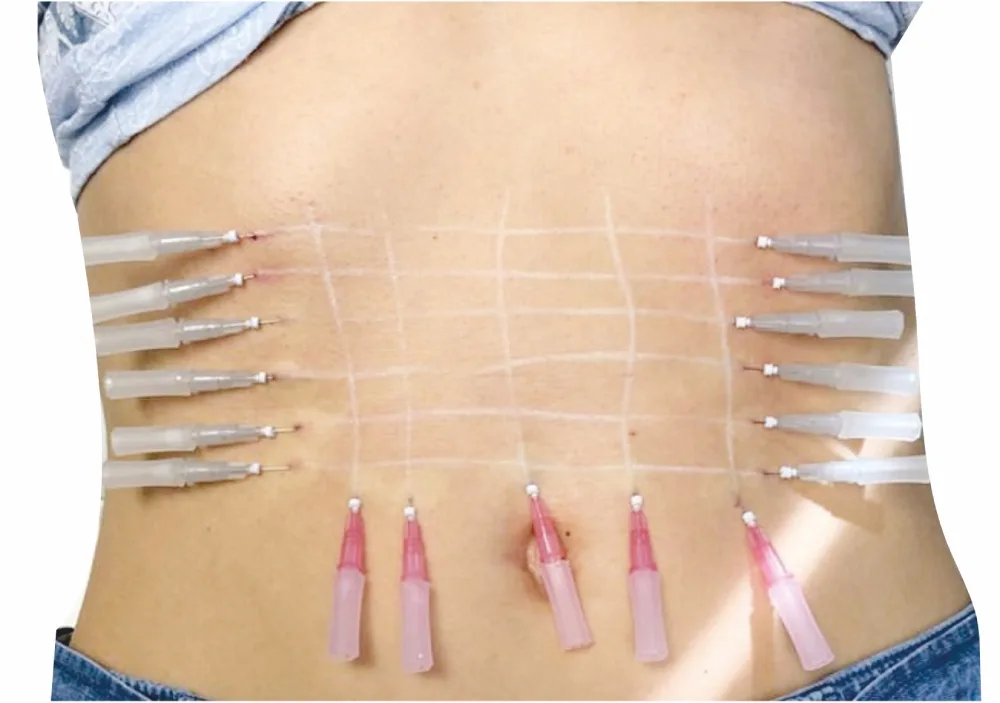
This collagen-boosting, non-invasive treatment is a remarkable alternative to cosmetic surgery. Unlike traditional surgery, threadlift requires only local anesthesia and minimal downtime, enabling individuals to return to daily activities with ease. Using radio frequency technology, the procedure enhances body contouring by firming and tightening areas such as the abdomen, thighs, and arms. The threads stimulate collagen production, resulting in smoother, firmer skin. With natural-looking results and fewer complications, threadlifts are gaining popularity for those seeking a refreshed, youthful appearance without the recovery time and commitment of surgery. This advanced procedure provides a non-invasive solution for body sculpting and skin tightening.
A1: Body Threadlift is a minimally invasive cosmetic procedure that involves inserting medical-grade threads beneath the skin to provide support and improve the appearance of skin laxity. Depending on the thread type and technique, it may also stimulate collagen production. The treatment aims to improve skin firmness and contour in selected body areas.
A2: Body Threadlift may be considered for areas such as the upper arms, abdomen, thighs and back, depending on the thread technique and patient's skin condition. The suitability of each area depends on the degree of skin laxity and tissue structure. A dermatologist can recommend appropriate treatment areas after an examination.
A3: Adults with mild skin laxity who want to explore minimally invasive skin-lifting treatments may be potential candidates for Body Threadlift. Suitability depends on skin quality, treatment area, medical history and expectations. People with significant loose skin may require alternative procedures, such as surgical body lifting.
A4: Body Threadlift may help improve the appearance of mild skin laxity by providing mechanical support beneath the skin. Certain threads may also stimulate collagen production. However, the degree of improvement varies, and the procedure is not a substitute for surgery when there is significant excess skin.
A5: Body Threadlift is generally performed using local anaesthesia to minimise discomfort during thread placement. Patients may experience temporary tenderness, swelling or bruising after the procedure. The level of discomfort depends on the treatment area and technique used.
A6: Possible side effects include swelling, bruising, tenderness, pain and temporary skin dimpling. Less common complications may include infection, thread migration, visible threads and contour irregularities. Choosing a qualified medical professional and following post-treatment instructions can help manage potential risks.
A7: Recovery after Body Threadlift varies depending on the treatment area, number of threads used and individual healing response. Temporary swelling, bruising and tenderness may occur. Patients should follow their dermatologist's aftercare instructions and avoid strenuous activities for the recommended period.
A8: Body Threadlift results vary depending on the thread material, placement technique, skin condition and individual response. Absorbable threads gradually dissolve, and the lifting effect may decrease over time. Long-term evidence for body threadlifting is limited, so results should be discussed realistically during consultation.
A9: No, Body Threadlift is not a weight-loss or established fat-removal procedure. Its primary purpose is to provide tissue support and improve the appearance of skin laxity. People looking to reduce localised fat may need different treatments after a dermatologist's assessment.
A10: The cost of Body Threadlift in Delhi depends on the treatment area, type and number of threads used, procedure complexity and individual treatment requirements. A consultation with a dermatologist is recommended to determine suitability and receive a personalised treatment estimate.

Personalised solutions for Skin, Hair & Body
Our clinic follows the applicable National Medical Commission (NMC) ethical guidelines and professional conduct requirements.
Klarity Skin Clinic, M – 69, First Floor,
M Block Market, Greater Kailash II, New Delhi 110048

