
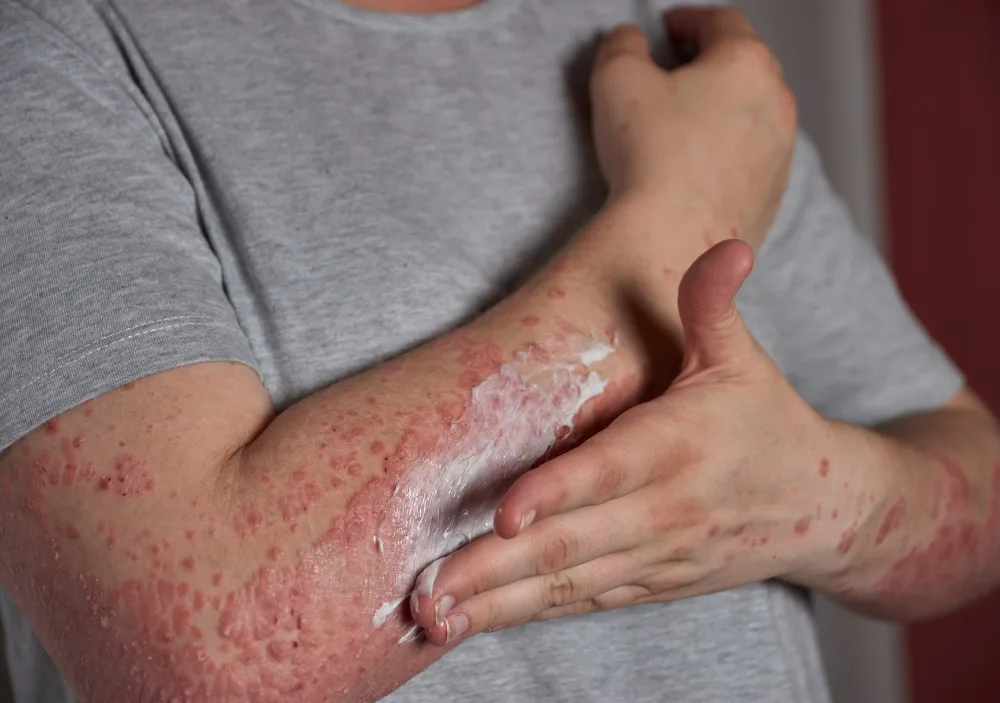
Hives (urticaria) is a skin condition characterized by a rash, which can be caused by allergic reactions, medical conditions, or other triggers. Acute hives develop quickly and typically resolve within six weeks, whereas chronic hives can persist for months or even years. Identifying specific triggers, such as certain foods, medications, or stress, can help manage the condition, but in many cases, the cause remains unclear. If hives significantly impact quality of life or do not resolve, consulting a doctor is recommended. In rare cases, hives accompanied by symptoms like swelling in the mouth or throat, nausea, faintness, rapid heartbeat, or cold skin may indicate anaphylaxis, a severe allergic reaction that requires immediate medical attention. Proper diagnosis and hives treatment can provide relief and prevent complications.
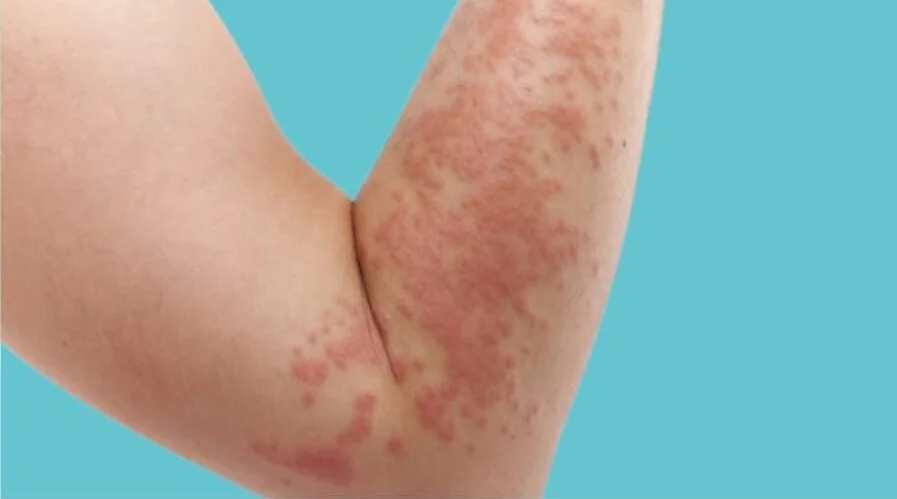
Hives treatment typically involves the use of oral medicines, which help relieve itching and reduce swelling by blocking triggered by an allergen. The challenge in treating hives lies in identifying the exact allergen or trigger, which can vary from foods, medications, insect stings, stress, or infections. Sometimes, the cause remains unknown. Lifestyle modifications, such as avoiding known triggers, can be an important part of managing the condition. In persistent or chronic cases, other treatments such as immune-modulating drugs may be recommended. Understanding the root cause of hives is crucial for effective treatment and long-term relief. For other skin concerns, see our eczema / atopic dermatitis and psoriasis care. For other skin concerns, see our eczema / atopic dermatitis and psoriasis care.
A1: Yes, most cases of hives can be treated effectively with antihistamines, soothing creams or other medications, depending on the severity. Identifying and avoiding the trigger, where one is found, also helps keep hives from coming back.
A2: Yes, many cases of acute hives clear on their own within hours or days, and they typically resolve within six weeks, especially if the trigger is identified and avoided. Hives that last longer than six weeks are considered chronic and should be checked by a doctor.
A3: No, hives are not contagious. They are typically caused by an allergic reaction, physical triggers, or underlying conditions.
A4: Yes, identifying and avoiding triggers such as specific foods, medications, or environmental factors can help prevent hives from occurring.
A5: Yes, soothing baths, cold compresses, and over-the-counter antihistamines can help relieve the itching and discomfort of hives.
A6: Hives are caused by histamine released in the skin. Common triggers include certain foods, medications, insect stings, infections, stress, heat, cold and pressure. In many cases, especially chronic hives, no clear cause is found. A doctor can help narrow down your trigger.
A7: Yes, children can get hives, especially in response to insect bites, certain foods, or viral infections, but most cases resolve with time.
A8: Hives appear as itchy, raised red or skin-coloured welts that vary in size and may join into larger patches. Individual welts often fade within a day, while new ones appear elsewhere. Some people also feel burning or tingling, or have swelling around the eyes or lips.
A9: There is no definitive cure for chronic hives, but most people can manage the condition effectively with antihistamines, injectable treatments or other medicines prescribed by a doctor. Symptoms often improve over time, and avoiding known triggers helps.
A10: See a doctor if hives last more than a few days, keep coming back, or disturb your sleep or daily life. Seek emergency care immediately if hives come with swelling of the lips, tongue or throat, trouble breathing, faintness or a rapid heartbeat, as these may signal a severe allergic reaction.

Personalised solutions for Skin, Hair & Body
Our clinic follows the applicable National Medical Commission (NMC) ethical guidelines and professional conduct requirements.
Klarity Skin Clinic, M – 69, First Floor,
M Block Market, Greater Kailash II, New Delhi 110048

