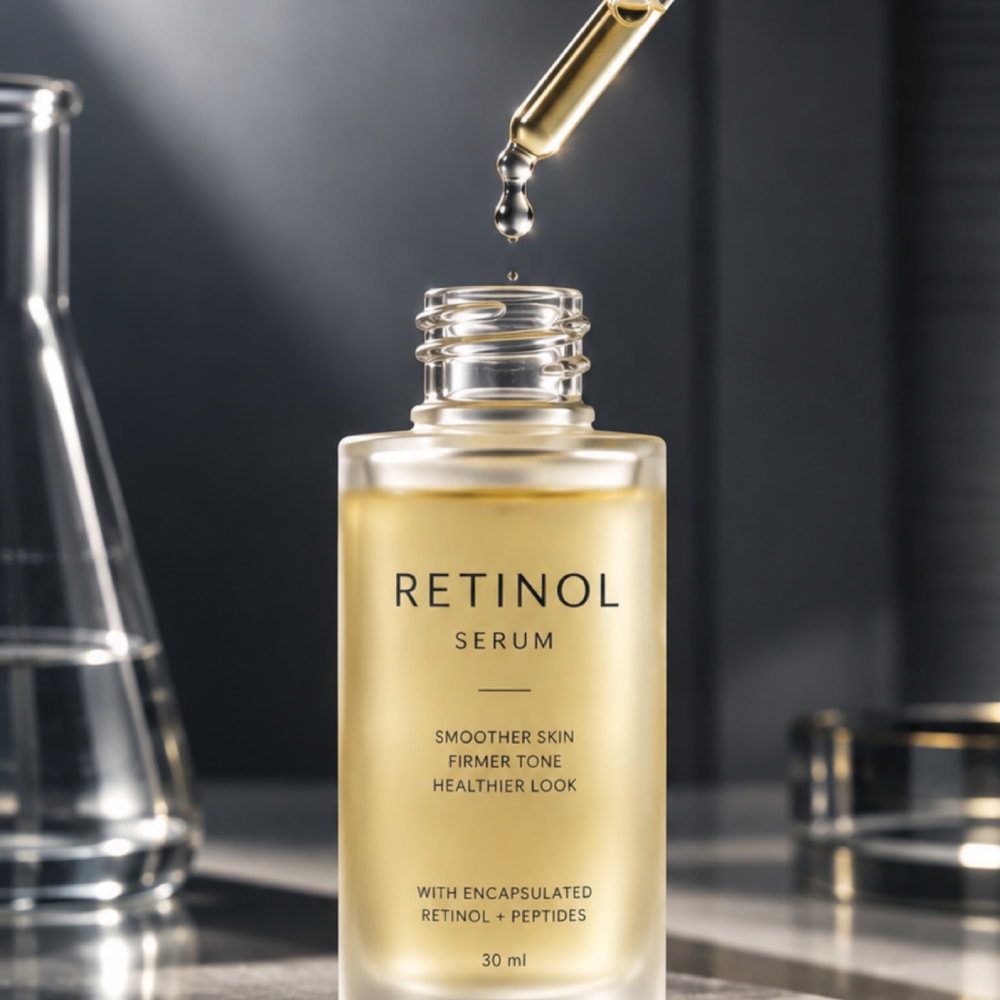
New to Retinol? How to Build Tolerance Without Irritation
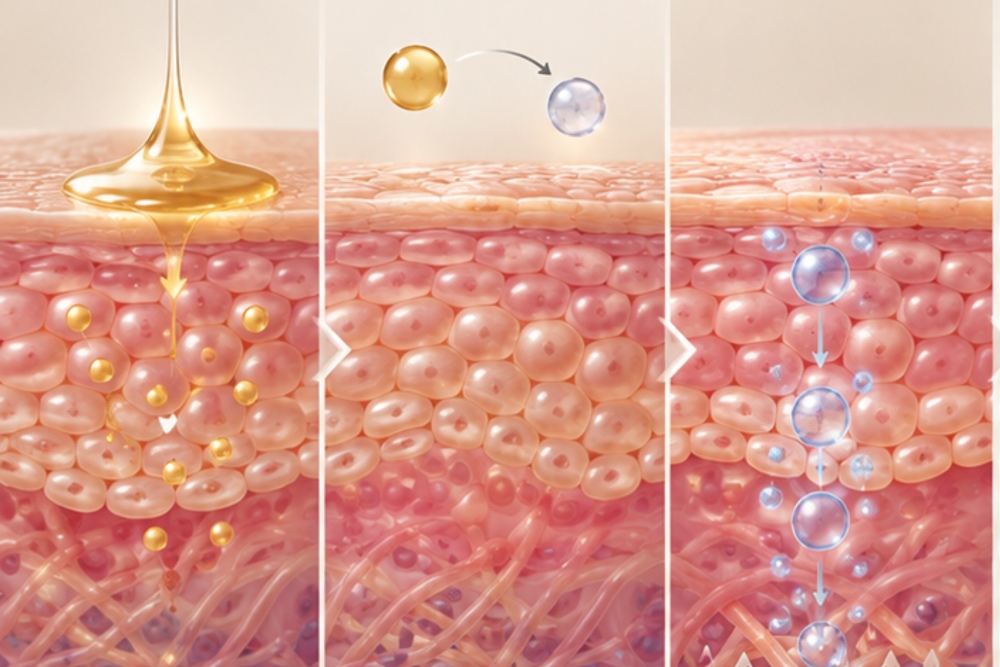
If you have ever bought a bottle of retinol, used it three nights in a row out of excitement and woken up on day four looking like you fell asleep on a heater, you are not alone. It happens to almost everyone once. The good news is that once you understand how to build retinol tolerance without irritation, this ingredient stops being scary and starts being one of the most rewarding things in your routine.
Retinol has a reputation. Half of that reputation is well-earned (yes, it can cause redness and flaking if you rush it) and the other half is just people not knowing how to introduce it properly. This guide walks you through exactly how to start, how fast to go and what your skin is actually trying to tell you along the way.
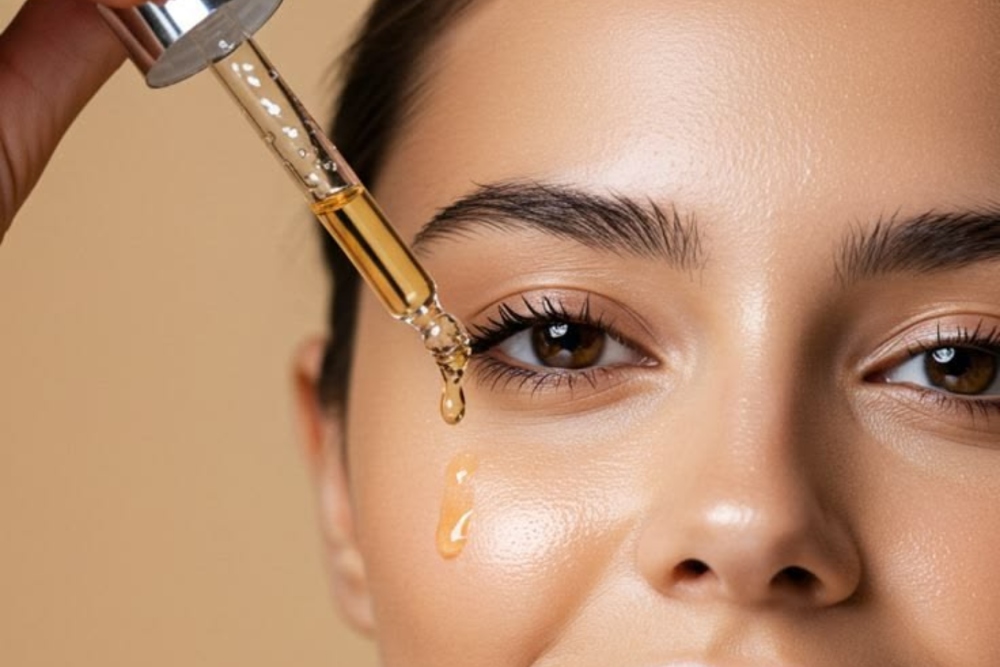
Retinol is a form of Vitamin A. Once it is absorbed into the skin, it gets converted into retinoic acid, which is the form your skin cells actually respond to. This is what speeds up cell turnover, nudges collagen production and helps fade the dullness and rough texture that build up over time.
The catch is that this same process of speeding up cell renewal is exactly why new users get irritated. Your skin is not used to shedding and rebuilding this fast, so it reacts with dryness, mild peeling, or redness while it adjusts. This adjustment phase is sometimes called retinisation and it is temporary for almost everyone who starts slow.
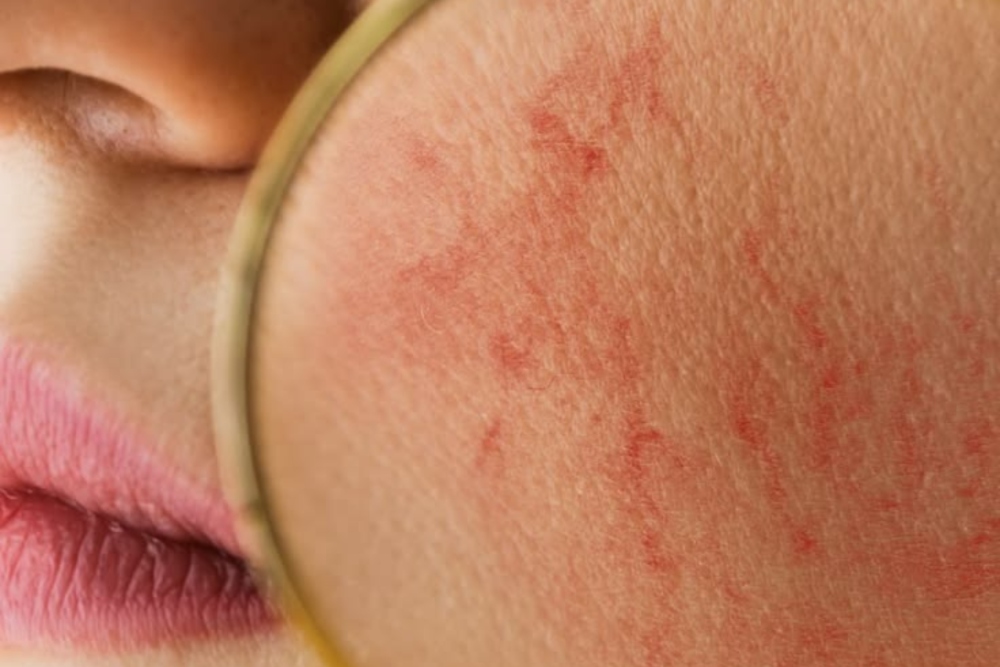
Most retinol irritation is not really about the skin being “sensitive.” It is about the introduction being too fast. Common triggers include:
None of these mean retinol is wrong for you. They just mean the approach needs a reset.
This is the part that actually matters. Building retinol tolerance without irritation is less about which product you pick and much more about how patiently you introduce it.
You do not need the strongest formula on the shelf. A gentle, lower percentage retinol gives your skin time to adapt without overwhelming it.
Retinol should always go on in your PM routine, never in the morning, since it makes skin more sensitive to sun. Wait a few minutes after cleansing so your skin is completely dry before applying it. Damp skin absorbs actives faster, which sounds good but actually raises your irritation risk.
Apply a light moisturiser first, let it settle, then apply retinol on top. This slows down how quickly the active penetrates and gives sensitive or dry skin an easier introduction.
This is where most people go wrong. Retinol is not a nightly product on day one.
| WEEKS | FREQUENCY | WHAT TO EXPECT |
|---|---|---|
| Week 1-2 | 1-2 nights a week | Skin may feel slightly tight; mild dryness is possible and normal. |
| Week 3-4 | 2-3 nights a week | Some flaking or a couple of small breakouts is common. This is adjustment, not failure. |
| Week 5-8 | Every other night | Texture starts to visibly smooth out. |
| Week 9+ | Nightly, if tolerated | Full glow-up phase. Keep SPF non-negotiable every morning. |
A barrier-supporting moisturiser locks in hydration and helps offset the dryness that comes with early retinol use. Skipping this step is one of the fastest ways to end up irritated.
Retinol makes skin more prone to sun sensitivity. Without daily SPF, you are undoing the very glow you are trying to build.
Following this pace is genuinely the difference between people who quit retinol in week two and people who are still using it happily a year later. Building retinol tolerance without irritation is a patience game, not a strength contest.

Your skin will usually tell you before things get bad. Watch for:
If you notice any of these, pause retinol for a few nights, stick to a simple moisturiser and gentle cleanser and reintroduce it once a week when your skin has calmed down.
A big part of avoiding retinol irritation is what you pair it with. Skip combining retinol with:
Give your skin one variable to adjust to at a time. It makes it far easier to know what is actually working.

A small wave of breakouts in the first few weeks is often purging, not a bad reaction. Retinol speeds up cell turnover, so congestion that was already forming under the skin comes to the surface faster than it otherwise would. This usually settles within four to six weeks.
The difference between purging and a genuine reaction is simple: purging shows up as small breakouts in areas you normally break out in, without pain or a burning skin barrier. A true reaction feels sore, looks inflamed and does not follow your usual breakout pattern.

Home routines work well for most beginners, but retinol does not behave the same way on every skin type, and pre-existing conditions like eczema, rosacea, or a compromised barrier need a different approach entirely. If irritation persists past a few weeks, or if you are dealing with active acne, pigmentation, or a condition that needs a proper diagnosis before adding activities, it is worth getting your skin assessed by an actual dermatologist rather than guessing with trial and error.
Retinol does not have to be a battle with your skin. Slow it down, pair it with the right supporting steps and give it the eight to twelve weeks it genuinely needs to show results. Building retinol tolerance without irritation is simply about respecting your skin’s pace instead of rushing your own excitement.
If your skin has been reacting no matter what you try, or you would rather have a dermatologist map out a routine built specifically for your skin type and concerns, the team at The Klarity can guide you through it properly, from diagnosis to the right activities for your skin.
Start with just 1-2 nights a week for the first two weeks, then build up slowly to every other night by week five or six. Jumping straight to nightly use is the single biggest cause of retinol irritation.
Most people build reasonable tolerance within 6 to 8 weeks of consistent, gradual use. Full results, like smoother texture and fewer fine lines, usually show up between weeks 8 and 12.
Yes, a short wave of small breakouts in the first few weeks is usually purging, not a bad reaction. It happens because retinol speeds up cell turnover and pushes existing congestion to the surface faster. It typically settles within 4 to 6 weeks.
No. Using retinol nightly from day one is the most common mistake beginners make. Give your skin at least 4 to 6 weeks of gradual, spaced-out use before considering nightly application.
Apply a light moisturiser before retinol if your skin is reactive (the buffer method), and always follow retinol with a barrier-supporting moisturiser. This combination significantly reduces dryness and flaking.
Yes, but you need to start slower than usual, at once a week, and choose a lower-strength formula. If irritation continues past a few weeks despite a slow approach, it is worth getting your skin assessed by a dermatologist rather than pushing through on your own.
Avoid layering retinol with AHAs, BHAs, benzoyl peroxide, or Vitamin C in the same routine. Use Vitamin C in the morning and save exfoliating acids for nights you are not using retinol.
Klarity Skin Clinic, M – 69, First Floor,
M Block Market, Greater Kailash II, New Delhi 110048
Copyright © 2025 All Rights Reserved.
Klarity Skin Clinic is Unit of Acara Wellness Private Limited.