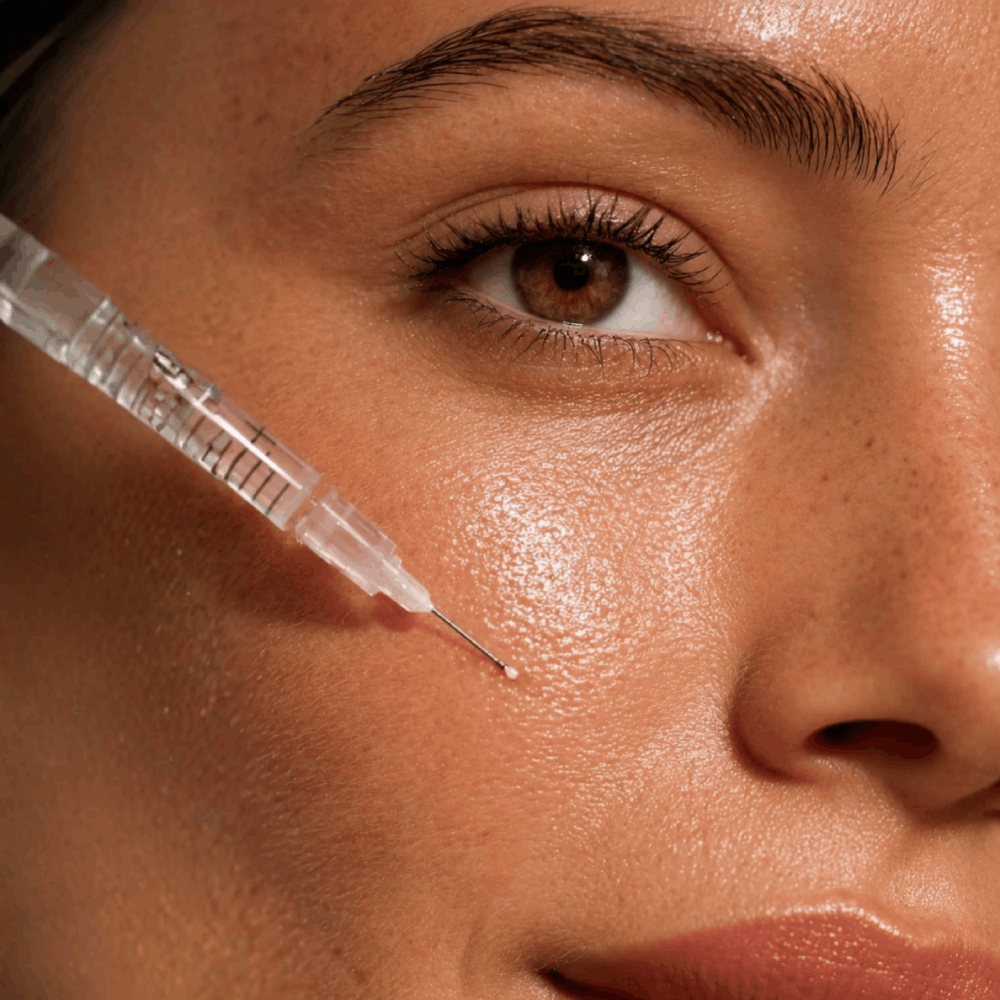
Anti-A/C Dehydration Therapy in GK2, Delhi: Causes, Benefits & Treatments

If you live or work in Delhi, chances are you spend a large chunk of your day under air conditioning at home, in the car, at the office, and in malls. While A/C keeps us comfortable in Delhi’s punishing heat, it comes with a hidden cost: it quietly strips moisture from your skin, leaving it dry, dull, flaky, and prematurely aged. This is exactly why Anti-A/C dehydration therapy has become one of the most sought-after skin treatments among residents of Greater Kailash 2 and surrounding areas.
In this blog, we’ll walk you through why air conditioning damages your skin, how to spot the signs, and what treatment options actually work, including where to find expert, reliable care close to home.
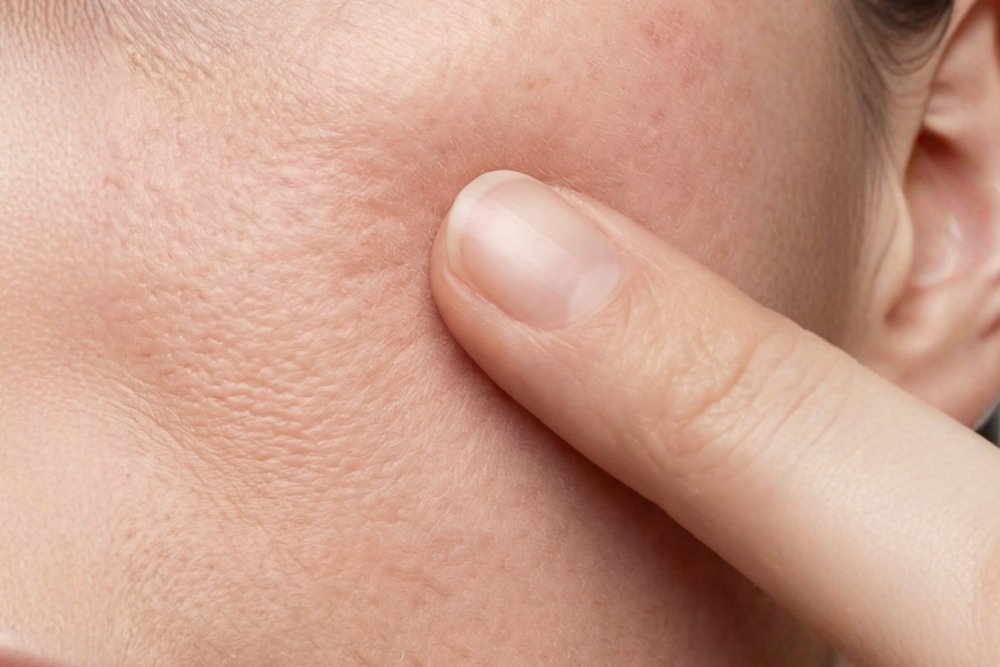
Air conditioners work by pulling moisture out of the air to cool it down. The problem is, they don’t just dehumidify the room, they dehumidify your skin too. Prolonged exposure to A/C environments disrupts your skin’s natural moisture barrier, the thin outer layer that locks hydration in and keeps irritants out.
Over time, this leads to a condition often called “AC skin” or “AC-damaged skin,” characterized by:
If you’ve noticed your skin looking tired or feeling parched no matter how much water you drink or moisturizer you apply, air conditioning is very likely a major contributing factor. This is where AC dehydrated skin treatments step in to restore what daily exposure takes away.
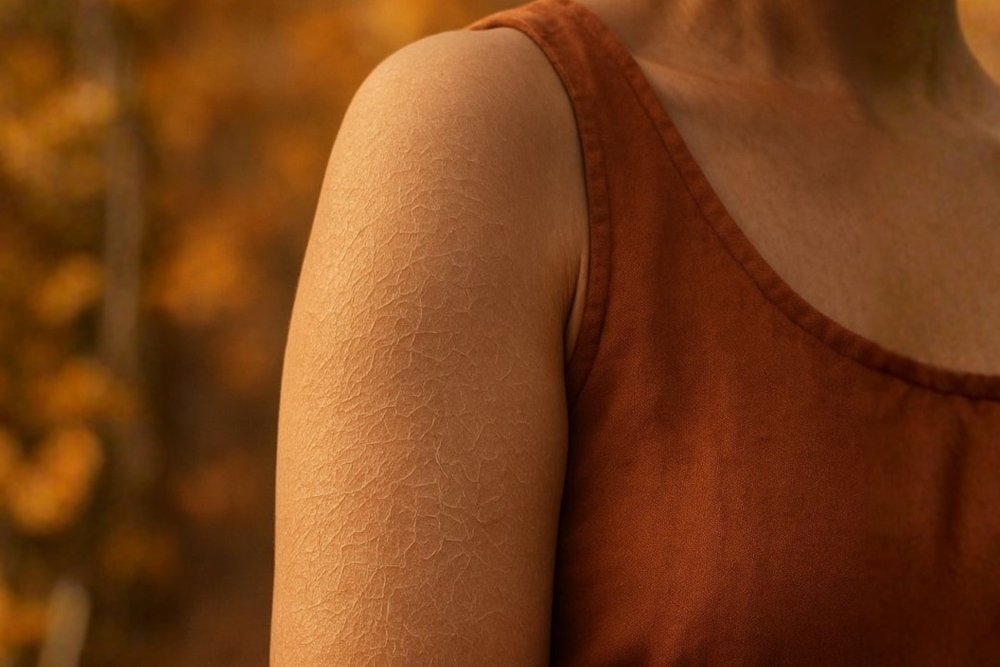
Anti-A/C dehydration therapy is a targeted skincare protocol designed specifically to counter the effects of prolonged air conditioning exposure. Unlike a generic facial or a one-size-fits-all moisturizer, this therapy focuses on rebuilding the skin’s barrier function from within, replenishing lost hydration at a cellular level, and protecting the skin against future moisture loss.
It typically combines a mix of:
The goal isn’t just a temporary glow, it’s long-term resilience, so your skin can handle daily A/C exposure without breaking down.
Not sure if your skin dehydration is A/C-related or something else? Here are some telltale signs:
If several of these sound familiar, it’s worth consulting a dermatologist rather than continuing to guess with over-the-counter products.

While professional treatments give the fastest and most visible results, combining them with the right daily habits makes a real difference. Here’s what dermatologists generally recommend:
In-clinic care:
At-home routine:
The combination of professional skin barrier repair treatments and mindful daily care is usually what separates a quick fix from lasting results.
Anti-A/C dehydration therapy isn’t a single procedure, it’s usually a mix of treatments chosen based on how dehydrated and compromised your skin barrier actually is. Here are some of the most commonly used ones:
A dermatologist will typically recommend one or a combination of these based on your skin assessment, rather than a one-size-fits-all approach.
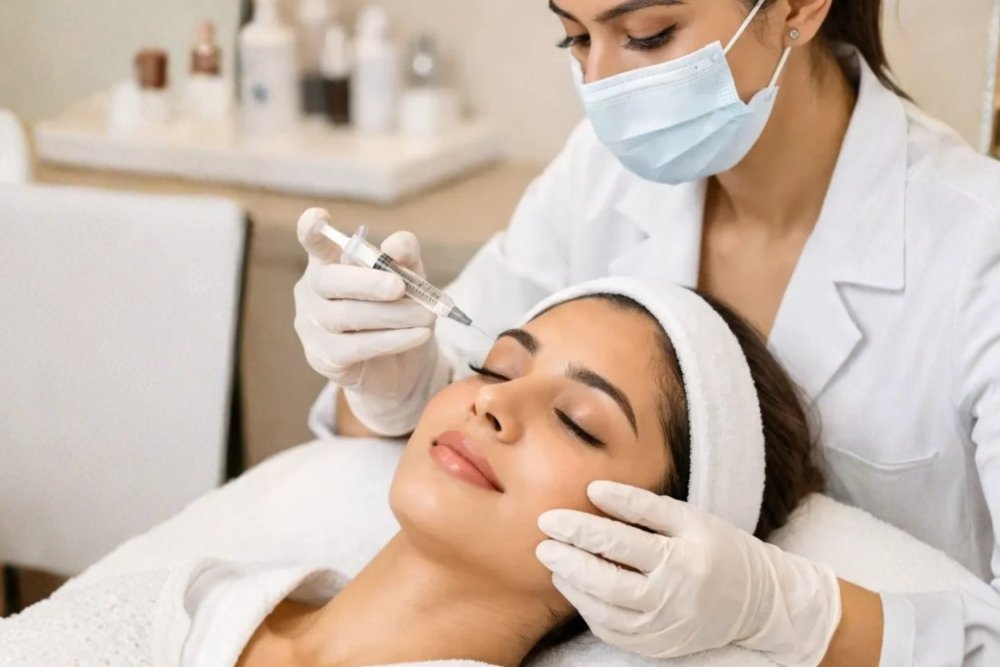
It’s tempting to just pile on moisturizer and call it a day, but dehydrated skin caused by chronic A/C exposure often needs more targeted intervention. Over-the-counter products can sit on the surface without actually repairing the compromised barrier underneath, which means the dryness keeps coming back.
“The mistake most people make is treating A/C-damaged skin the same way they’d treat regular dryness. But this is barrier damage from constant environmental stress, it needs a repair-focused approach, not just surface hydration.” – Dr. Jalpa, Dermatologist
This is precisely why finding the best treatment for AC-damaged skin often means seeking out a clinic that understands the specific patterns of urban, indoor-heavy lifestyles, not a generic spa treatment.
If you’re based in or around Greater Kailash 2, choosing the right dermatologist can make a real difference in how effectively A/C-related skin dehydration is treated. A proper diagnosis matters here, since surface dryness, barrier damage, and dehydration can all look similar but require different treatment approaches. A qualified dermatologist will typically assess your skin type, the extent of barrier damage, and your daily A/C exposure before recommending a treatment plan, rather than defaulting to a one-size-fits-all facial.
Klarity, based in GK2, follows this kind of diagnostic-first approach, combining clinical assessment with customized barrier-repair protocols suited to Delhi’s indoor-heavy lifestyle and climate extremes.
Working with a dermatologist rather than relying on trial-and-error products can also save time and money, since it addresses the underlying cause of dehydration instead of just managing the visible symptoms.
Skin barrier health is a well-documented area of dermatological science. If you’d like to read more from authoritative sources, the National Institute of Arthritis and Musculoskeletal and Skin Diseases (NIAMS), part of the U.S. National Institutes of Health, publishes accessible research on skin barrier function and hydration. The World Health Organization(WHO) also offers general guidance on skin health in varying climate conditions. These resources can help you understand the science behind why professional treatment, not just cosmetic products often makes the biggest difference.

If your skin has been feeling tight, dull, or dehydrated no matter what you try, it might be time to address the real cause rather than the symptoms. A personalized Anti-A/C dehydration therapy plan can restore your skin’s natural balance and protect it against the daily wear of indoor life in Delhi.
Book a consultation with Klarity Skin Clinic today and take the first step toward healthier, more resilient skin, because your skin deserves better than just “getting by” under the A/C.
Most people notice visible improvement in skin texture and hydration within 2-3 sessions, though full barrier repair can take 4-6 weeks depending on the severity of damage.
Mild cases can often be managed with a consistent hydrating routine and a humidifier. However, if your skin has already developed a compromised barrier, professional treatment is usually needed for lasting repair.
Yes. In fact, dehydrated oily skin is a common issue, since the skin overproduces oil to compensate for lost moisture. Treatments are customized based on your specific skin type.
This depends on your exposure level and skin condition, but many people benefit from sessions every 4-6 weeks, especially during peak summer and winter A/C usage months.
No. Even skin that looks normal on the surface can have underlying dehydration and early barrier damage from constant A/C exposure. A professional assessment is the best way to know for sure.wati
Klarity Skin Clinic, M – 69, First Floor,
M Block Market, Greater Kailash II, New Delhi 110048
Copyright © 2025 All Rights Reserved.
Klarity Skin Clinic is Unit of Acara Wellness Private Limited.