Common Monsoon Skin Problems in Delhi: Causes, Symptoms & Treatment Options
The first monsoon showers in Delhi feel like a relief after months of brutal heat but for your skin, it often marks the start of a whole new set of struggles. Sticky humidity, sudden temperature swings, and pollution-heavy rain take a real toll, leaving many people searching for answers about Monsoon Skin Problems in Delhi and how to actually fix them.
If you’ve noticed your skin acting up the moment the rains start, breakouts, rashes, dullness, or unexplained irritation you’re far from alone. Here’s a complete breakdown of what’s happening to your skin this season, why it happens, and what actually works to treat it.
Delhi’s monsoon isn’t gentle rain in a clean environment, it’s high humidity combined with heavy pollution, waterlogged streets, and unpredictable weather shifts between muggy and cool. This mix disrupts your skin’s natural balance. Excess moisture in the air increases oil production, while pollutants settling on damp skin can clog pores and trigger sensitivity. Add inconsistent skincare routines, and you’ve got a recipe for irritated, reactive skin.
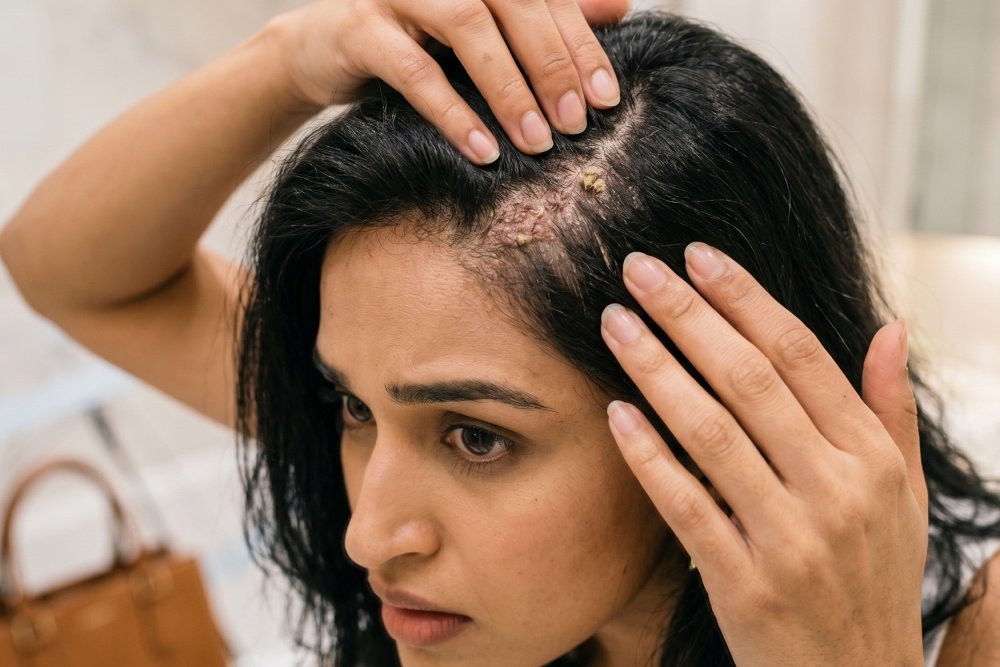
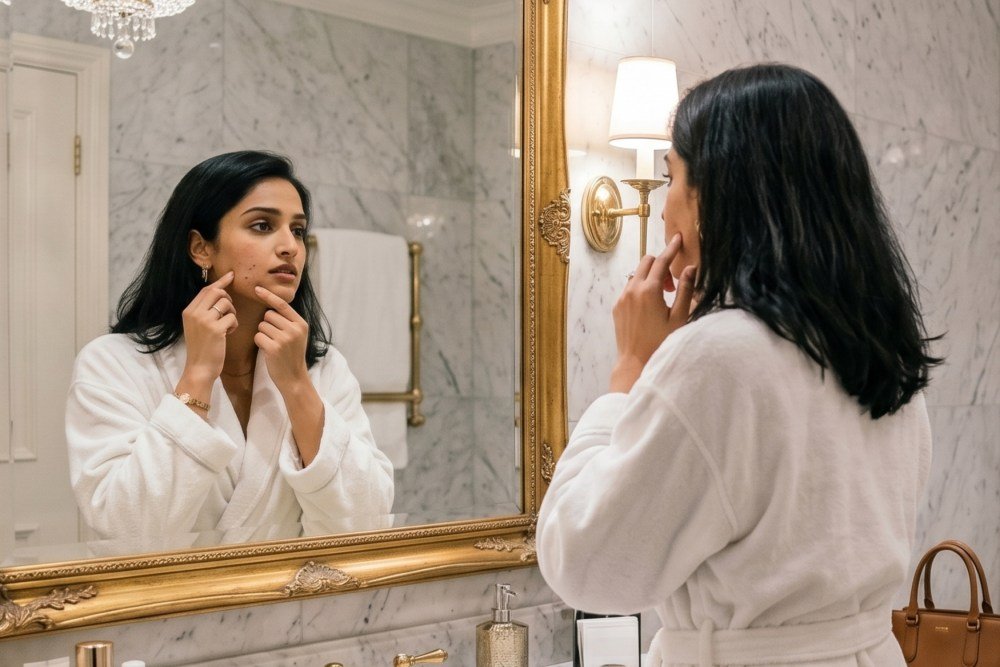
This is the most common complaint dermatologists hear during monsoon. Increased humidity makes skin produce more sebum, and combined with sweat and pollution particles, pores get clogged fast, even for people who normally have clear skin.
Symptoms: Whiteheads, blackheads, inflamed pimples, and an oilier T-zone than usual.
Sudden weather changes, contact with polluted rainwater, and humidity spikes can all trigger allergic reactions on sensitive skin. These often show up as unexplained rashes that weren't there a few days earlier.
Symptoms: Red, itchy patches, mild swelling, and sometimes small bumps that come and go.
Even though the temperature feels cooler with the rain, humidity traps sweat against the skin instead of letting it evaporate. This clogs sweat ducts and leads to irritation, especially in areas like the back, neck, and underarms.
Symptoms: Tiny red bumps, a prickly or stinging sensation, and discomfort in areas covered by clothing.
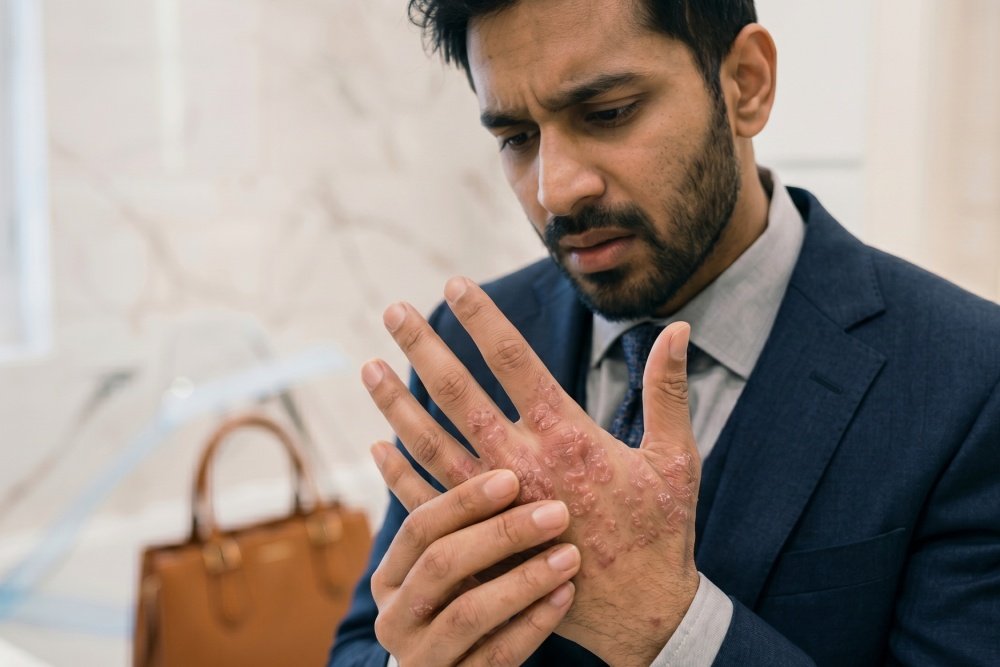
The combination of high humidity, excessive sweating, and prolonged exposure to damp clothing creates an ideal environment for fungal growth during Delhi's monsoon season. These infections commonly affect areas where moisture gets trapped, such as the groin, underarms, feet, and skin folds.
Symptoms: Persistent itching, red or circular patches, skin peeling, discoloration, burning sensations, and discomfort in affected areas.
It sounds counterintuitive given all the moisture in the air, but monsoon skin can actually become dehydrated. Humidity affects your skin barrier, and many people unconsciously skip moisturizer because the air already feels "wet," which backfires.
Symptoms: Flaky patches, a dull or tired-looking complexion, and skin that feels tight despite the humidity.
Pollution particles combine with moisture in the air and settle on the skin more than usual during monsoon. This can leave skin more reactive to products that worked fine in other seasons.
Symptoms: Stinging or burning when applying regular skincare products, redness, and patchy irritation.
Dermatologist Dr. Jalpa Jani says, “Monsoon-related skin problems are often triggered by a combination of excess humidity, increased sweating, and environmental pollutants. One of the key reasons these issues persist is that many people fail to adapt their skincare routine to the season, leaving the skin barrier vulnerable to irritation, breakouts, and sensitivity.”
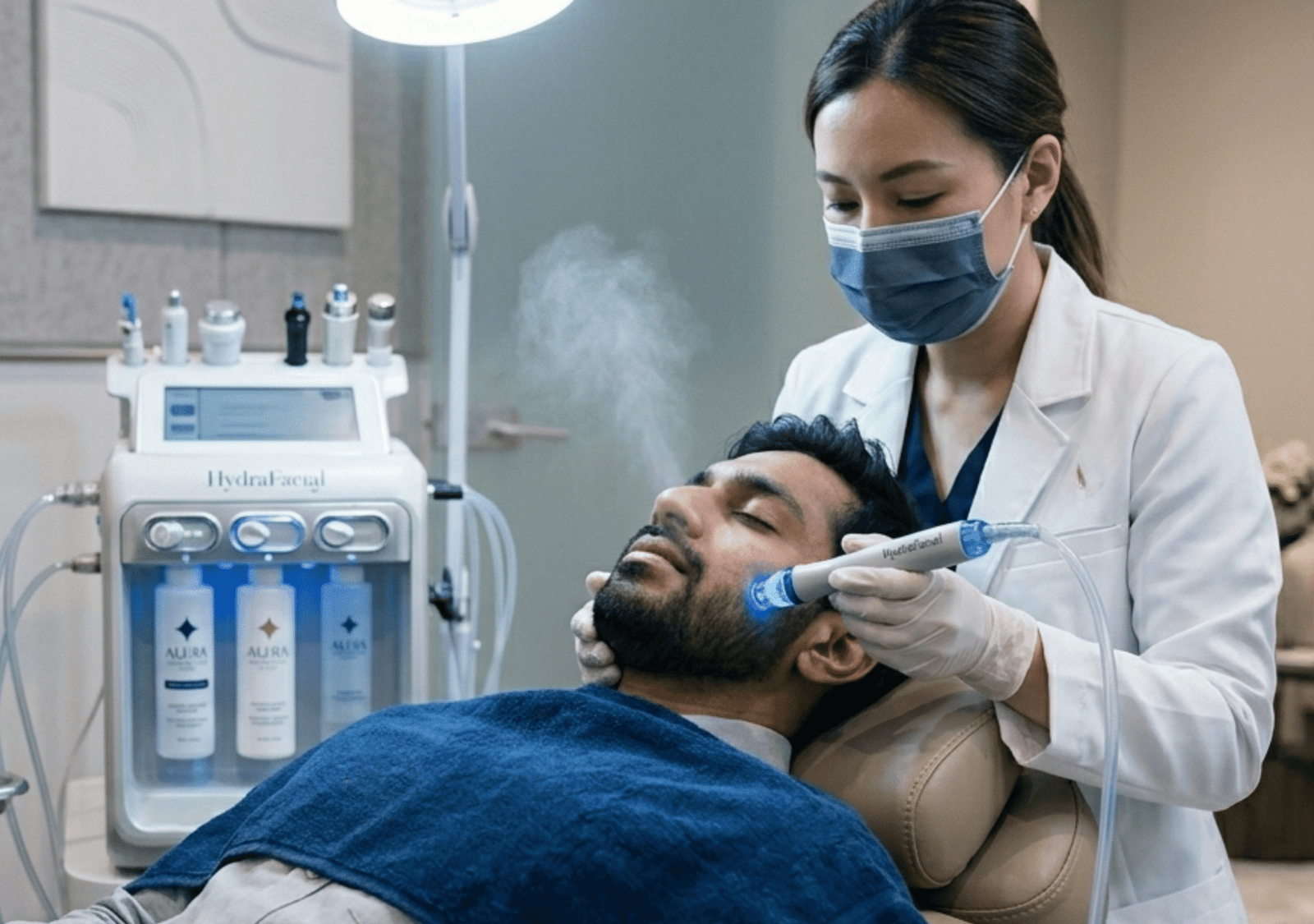
Home care helps with mild flare-ups, but when monsoon skin issues keep coming back or don’t settle on their own, dermatologists usually move beyond basic skincare to more targeted clinical treatments. Here are the Best Treatments for Monsoon Skin Problems that actually address the underlying issue:
These treatments are typically recommended only after a dermatologist examines your skin and confirms what’s actually causing the problem, self-prescribing procedures or medication based on guesswork can do more harm than good. If symptoms persist beyond a week, worsen suddenly, or come with swelling and pain, it’s best to stop self-treating and get a proper diagnosis instead.
Along with treatment, prevention plays a huge role. These monsoon skincare tips can help you avoid most seasonal skin issues altogether:
Many people in Delhi seek treatment at Klarity Skin Clinic for recurring monsoon-related skin concerns, where dermatologists can diagnose the underlying cause and recommend personalized treatment plans.
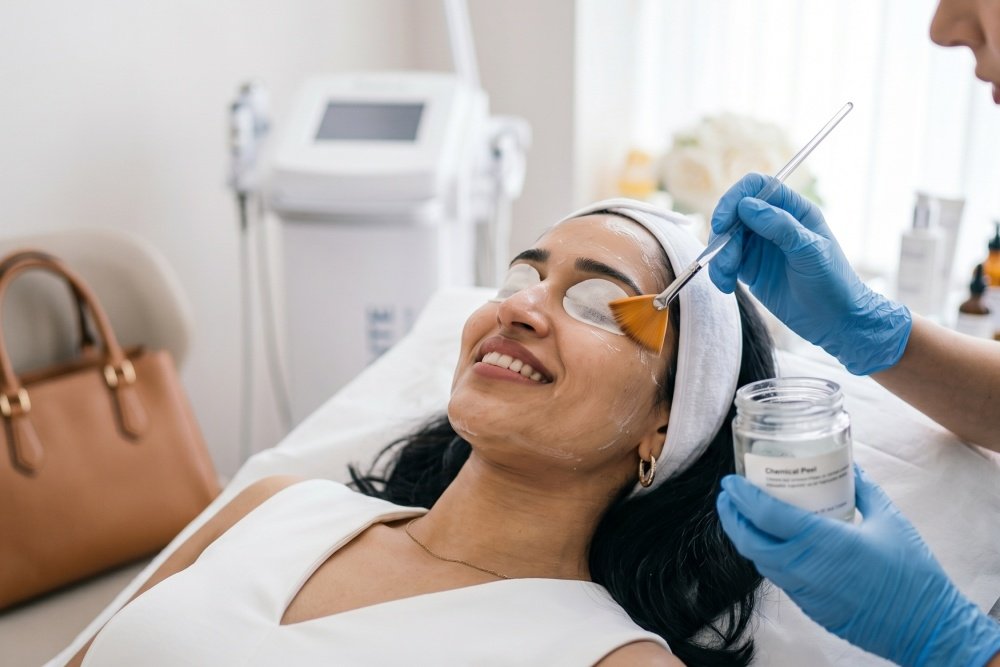
Not every skin issue needs a clinic visit, but persistent or worsening symptoms do. If you’re looking for the best dermatologist for skin problems in Delhi, prioritize someone who actually examines your skin type and lifestyle rather than prescribing a generic cream. A good dermatologist will also guide you on adjusting your routine seasonally, not just treating the immediate flare-up.
Monsoon doesn’t have to mean a season of skin frustration. Most issues breakouts, rashes, dryness, sensitivity, respond well once you understand the cause and adjust your routine accordingly. But when symptoms don’t improve with home care, getting expert advice early prevents things from getting worse.
If your skin has been acting up this monsoon, book a consultation with a dermatologist at Klarity today and get a treatment plan suited to exactly what your skin needs this season.

A. Humidity increases oil and sweat production even when temperatures drop, and combined with pollution, this clogs pores more easily, leading to monsoon-specific breakouts.
A. No, opt for a lightweight, oil-free, non-comedogenic moisturizer. Heavy creams can clog pores further while still leaving skin dehydrated underneath.
A. Mild allergic rashes are usually itchy and fade within a few days. If you notice swelling, spreading redness, fever, or it doesn't improve within a week, see a dermatologist for proper evaluation.
A. Yes, increased pollution and humidity can make skin more reactive, so products that worked fine in other seasons may sting or cause redness. Patch-testing helps avoid surprises.
Klarity Skin Clinic, M – 69, First Floor,
M Block Market, Greater Kailash II, New Delhi 110048
Copyright © 2025 All Rights Reserved.
Klarity Skin Clinic is Unit of Acara Wellness Private Limited.