Korean Skincare vs Indian Skincare: Why Blindly Following K-Beauty Isn’t Worth It
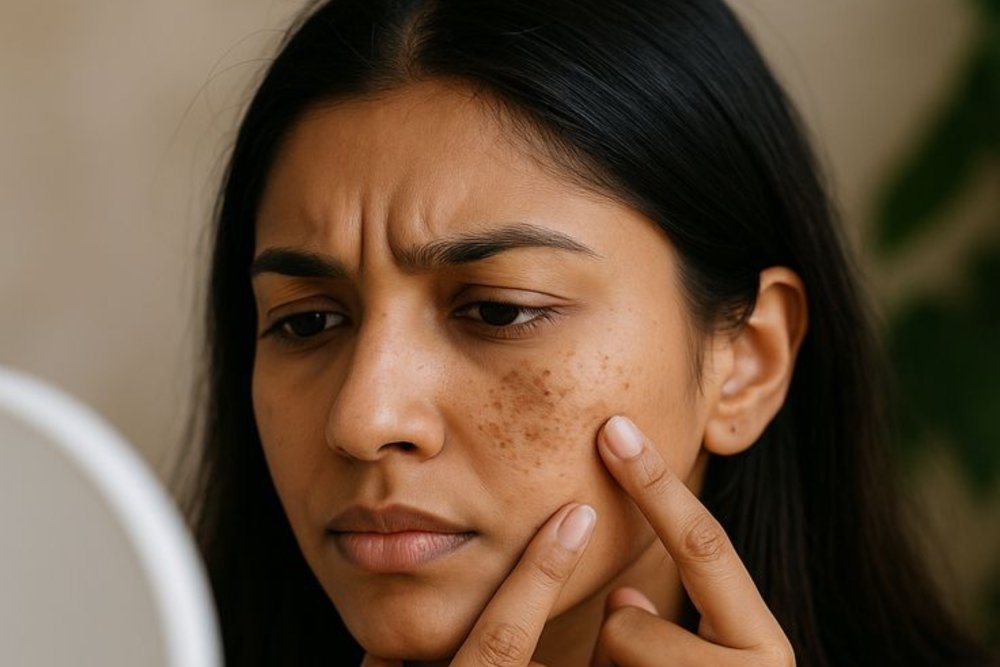
Over the past few years, Korean skincare has become incredibly popular, with many people following its products and routines in the hope of achieving healthy, glowing skin. From glass skin trends to elaborate 10-step routines, social media is flooded with influencers recommending K-beauty products. While these routines may work well for many Koreans, blindly copying them may not be the best choice for Indian skin.
When comparing Korean Skincare vs Indian Skincare, it’s important to understand that skin is influenced by genetics, climate, lifestyle and environmental factors. What delivers perfect results in one country may not necessarily work the same way in another.
In this blog, we’ll explore why K-beauty isn’t a one-size-fits-all solution and how Indian skin requires a more personalized skincare approach.
The biggest difference between Korean skincare vs Indian skincare lies in the skin’s natural characteristics and the environment it is exposed to.
Korea experiences cool temperatures with a lower UV intensity for much of the year. In contrast, India has a tropical climate with intense sunlight, high humidity in many regions, pollution, and dust. These environmental differences significantly affect skin health.
Indian skin generally tends to:
Because of these differences, skincare routines designed for Korean skin may not always address the unique concerns faced by Indian skin.

One of the most common questions dermatologists hear today is Why Korean skincare doesn’t work for Indian skin.
The answer isn’t that Korean skincare is bad, it’s that it was formulated primarily for different skin conditions.
Some common reasons include:
Many Korean skincare products focus heavily on hydration because Korea's climate can be dry and cold. However, excessive layering of hydrating products in India's hot and humid Weather can sometimes clog pores and trigger breakouts.
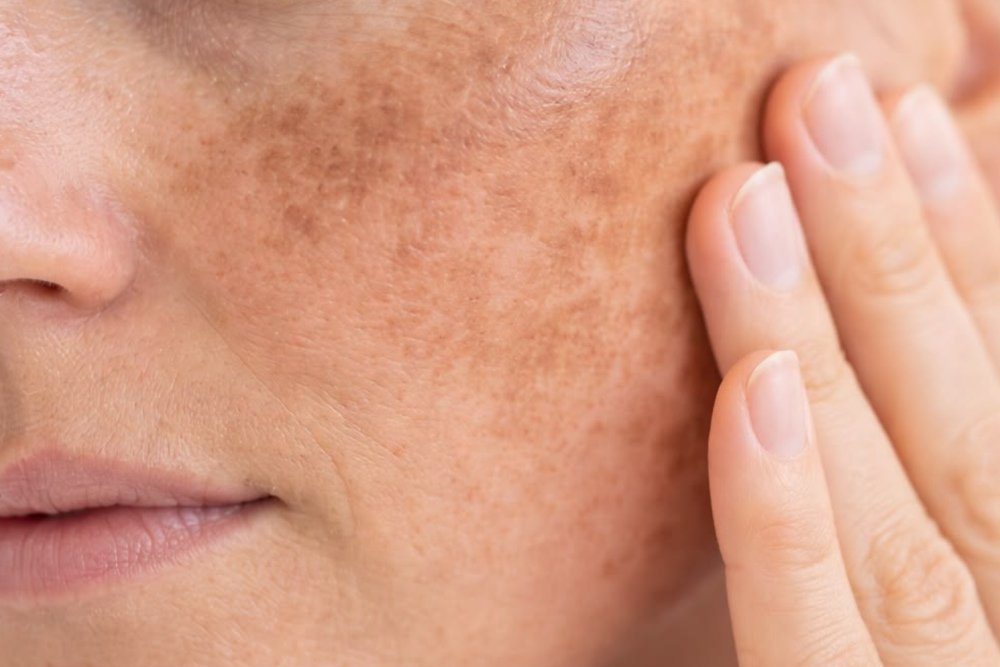
Korean skincare often prioritizes prevention, hydration, and achieving glowing skin. Indian skin, on the other hand, frequently requires targeted treatments for pigmentation, tan, acne scars, and sun damage.
India experiences significantly higher UV exposure throughout the year.
Sunscreen requirements for Indian skin are often more demanding than what many standard Korean skincare routines emphasize.
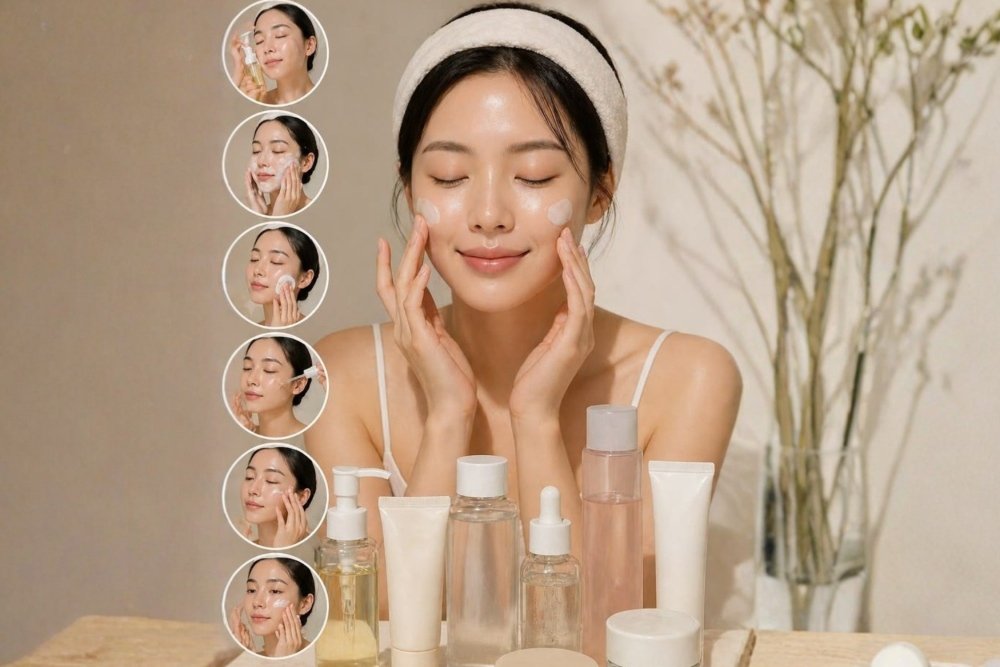
The famous 10-step Korean routine may sound appealing, but applying multiple products daily isn't essential for everyone. Overloading the skin with unnecessary products can disrupt the skin barrier instead of improving it.
The combination of vitamins, minerals, antioxidants, and hydration makes okra water a useful addition to a wellness-focused skincare routine.
Although it is not a miracle cure, regular consumption may contribute to healthier skin over time.
This is one of the major reasons Why Korean skincare doesn’t work for Indian skin for many individuals who simply copy routines seen online.
Absolutely not.
Many K-Beauty Products for Indian Skin can work exceptionally well when chosen carefully. Ingredients like Centella Asiatica, Snail Mucin, Green Tea, Ceramides, and Hyaluronic Acid can benefit many skin types.
However, success depends on:
Rather than purchasing every trending serum, toner, or essence, focus on products that solve your specific skin concerns.
Some K-beauty products for Indian skin can be excellent additions when recommended by a skincare professional instead of being selected based on viral trends.
Instead of following social media trends, choosing the Best skincare routine for Indian skin means understanding what your skin truly needs.
A simple and effective routine generally includes:
The Best skincare routine for Indian skin is usually simple, consistent and customized rather than complicated.
Many people buy products simply because they’re trending online. Unfortunately, skincare
isn’t universal.
Healthy skin is built through consistency, not viral trends.
No two people have identical skin. Age, hormones, stress, diet, pollution, and genetics all influence how your skin behaves.
Whether you choose Indian formulations or K-beauty products for Indian skin, selecting products based on your individual concerns is far more effective than following trends.
If you're dealing with persistent acne, pigmentation, melasma, rosacea, or sensitive skin, consulting a dermatologist is often the smartest investment.
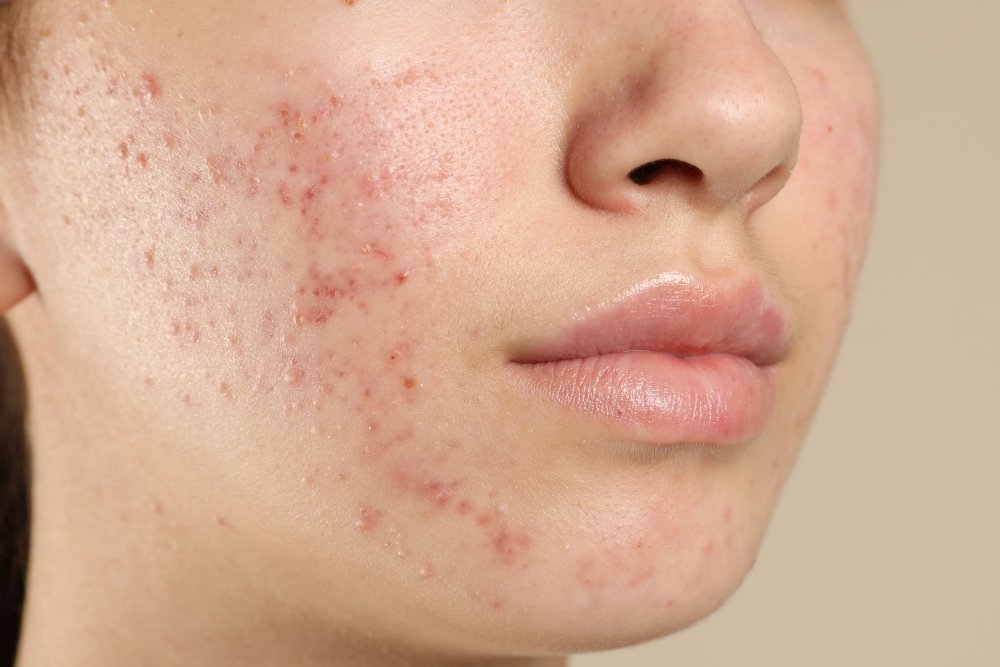
If you’ve tried multiple products without seeing results, professional guidance can save both time and money.
You should consider visiting a dermatologist if you have:
If you’re looking for an experienced skin clinic in Greater Kailash 2, Delhi, choose one that offers personalized skin analysis and evidence-based treatments instead of recommending products based just on trends.
Professional skin assessments help determine the right ingredients, treatment plans, and skincare routine specifically suited to your skin.

Choosing the right skincare isn’t about following trends, it’s about understanding what your skin truly needs. While viral routines may look appealing, every skin type responds differently to products and ingredients. That’s why it’s essential to make informed decisions based on your skin concerns, lifestyle, and environmental factors.
If you’re looking for expert, personalized skincare solutions, The Klarity is here to help you achieve healthier, radiant skin with treatments tailored to your unique needs. When it comes to Korean skincare vs Indian skincare, personalized care will always deliver better results than blindly following trends.
A. Yes, some Korean skincare products can work well for Indian skin. But not every product works for everyone. It's important to choose products based on your skin concerns rather than following trends.
A. If you're wondering why Korean skincare doesn't work for Indian skin, factors like India's hot climate, high UV exposure, oily skin issues, and pigmentation concerns can make certain K-beauty routines are less effective.
A. The best skincare routine for Indian skin includes a gentle cleanser, moisturizer, sunscreen, and targeted treatments such as Vitamin C, Niacinamide, or Retinol based on your skin's needs. It's best to talk to a dermatologist about it.
A. There are three major differences between Korean skincare and Indian skincare: climate, skin concerns, and formulations. Korean skincare focuses on hydration and prevention, while Indian skincare often requires solutions to pigmentation, tan, acne, and sun damage.
A. If you're dealing with constant acne, pigmentation, uneven skin tone, or recurring skin issues even after using skincare products, visiting a professional skin clinic Greater Kailash 2, Delhi can help you receive a personalized diagnosis and treatment plan.
Klarity Skin Clinic, M – 69, First Floor,
M Block Market, Greater Kailash II, New Delhi 110048
Copyright © 2025 All Rights Reserved.
Klarity Skin Clinic is Unit of Acara Wellness Private Limited.