What Is the Skin Barrier? Causes of Damage, Symptoms & How to Repair It
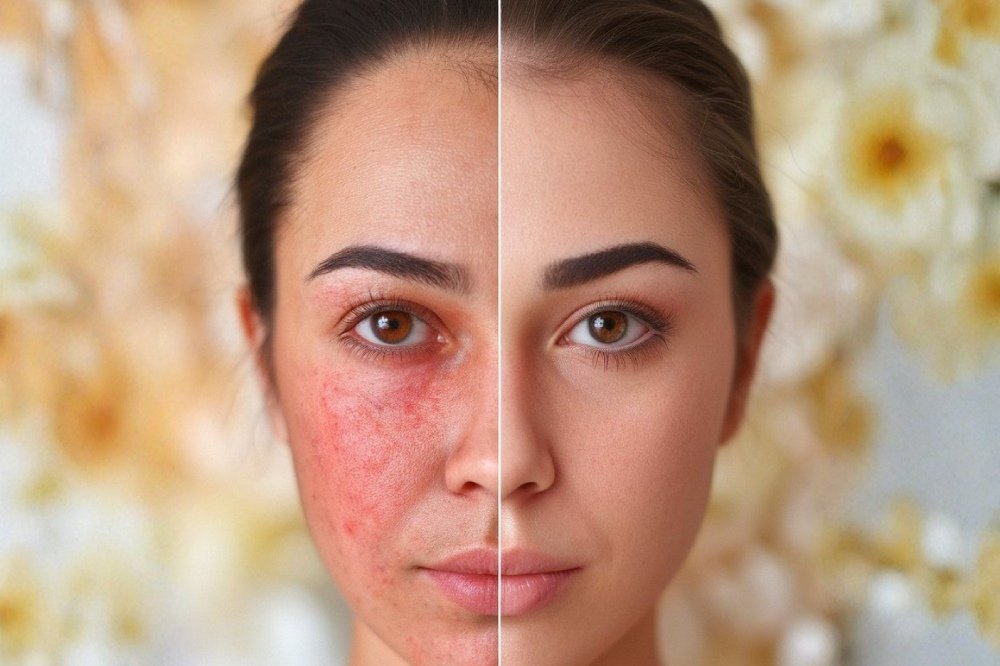
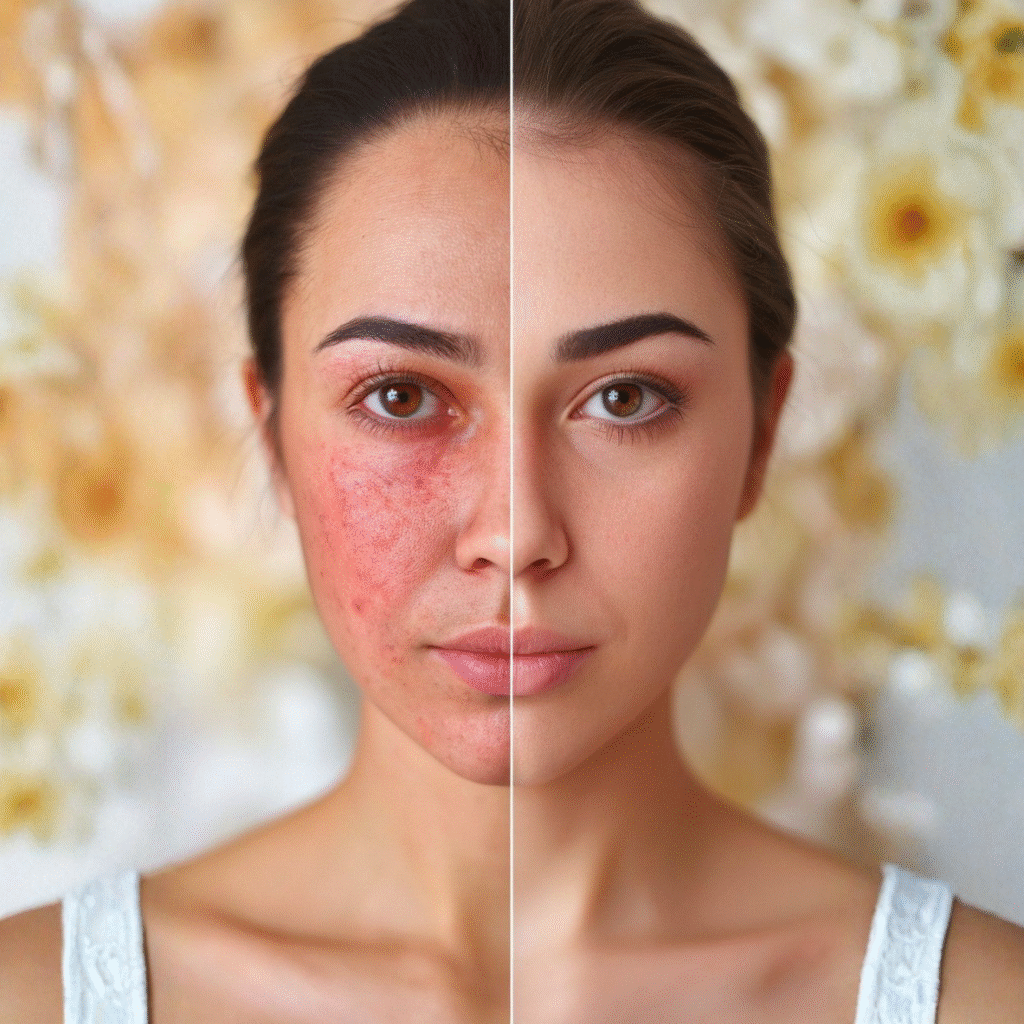
Sensitive, flaky, tight, or just “off” skin lately? Before you blame your products, blame your Skin Barrier. It’s the most misunderstood layer of skin in the entire skincare world, everyone talks about it, almost no one explains it properly. So let’s actually break it down: what it is, what causes a damaged skin barrier, the real skin barrier damage symptoms to watch for, and exactly how dermatologists repair it. All in a simple, no-fluff Q&A format that answers what you’re really searching for.
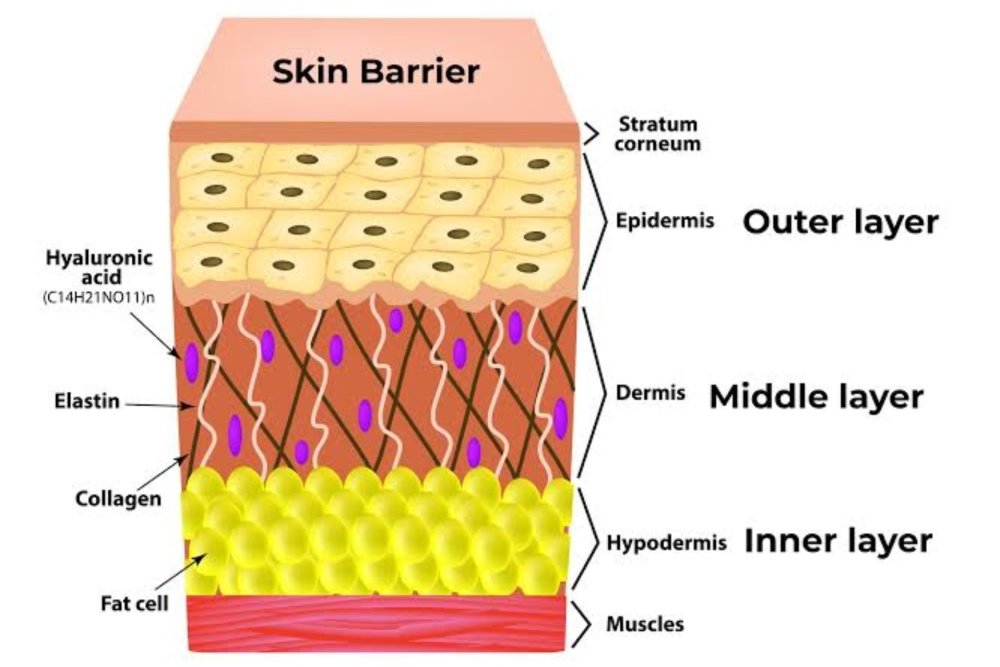
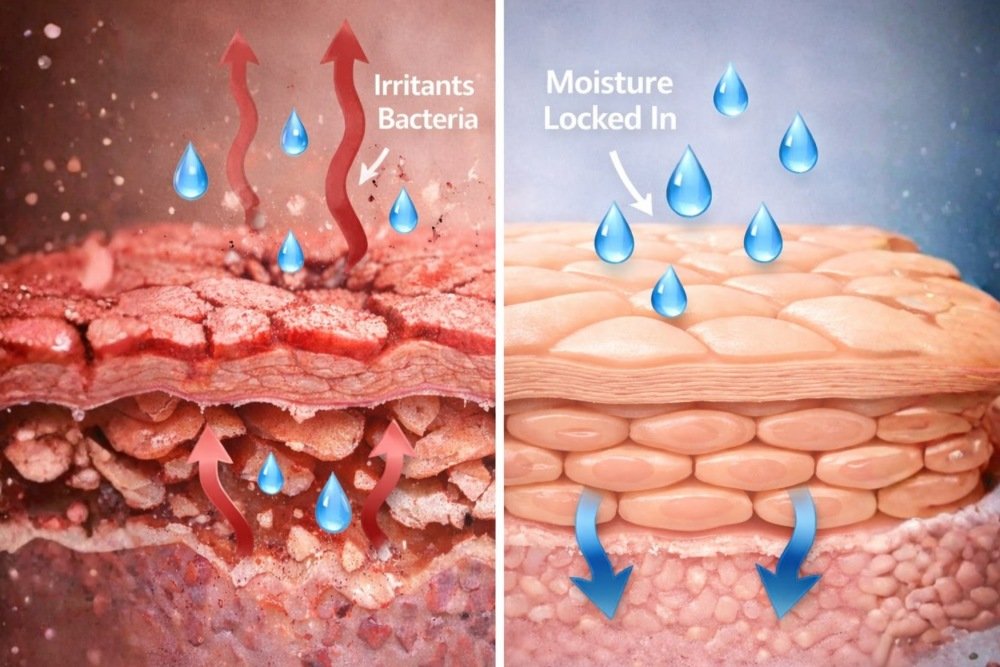
The skin barrier is the outermost layer of skin (the stratum corneum) that locks in moisture and blocks out irritants, bacteria, and pollution.
Think of it as a brick wall: skin cells are the bricks, and lipids (ceramides, cholesterol, fatty acids) are the mortar holding everything together. When this barrier is healthy, skin looks plump, smooth, and calm. When it’s compromised, a Damaged Skin Barrier can no longer retain water or protect against external aggressors, which is why dryness, sensitivity, and breakouts often show up together.

The most common causes of skin barrier damage are over-exfoliation, harsh cleansers, sun exposure, hot water, pollution, stress, and overusing active ingredients.
In detail:
In simple terms, anything that strips, irritates, or overworks your skin can compromise this protective layer. Understanding the causes of skin barrier damage is the first step, because you can’t fix what you don’t recognize.
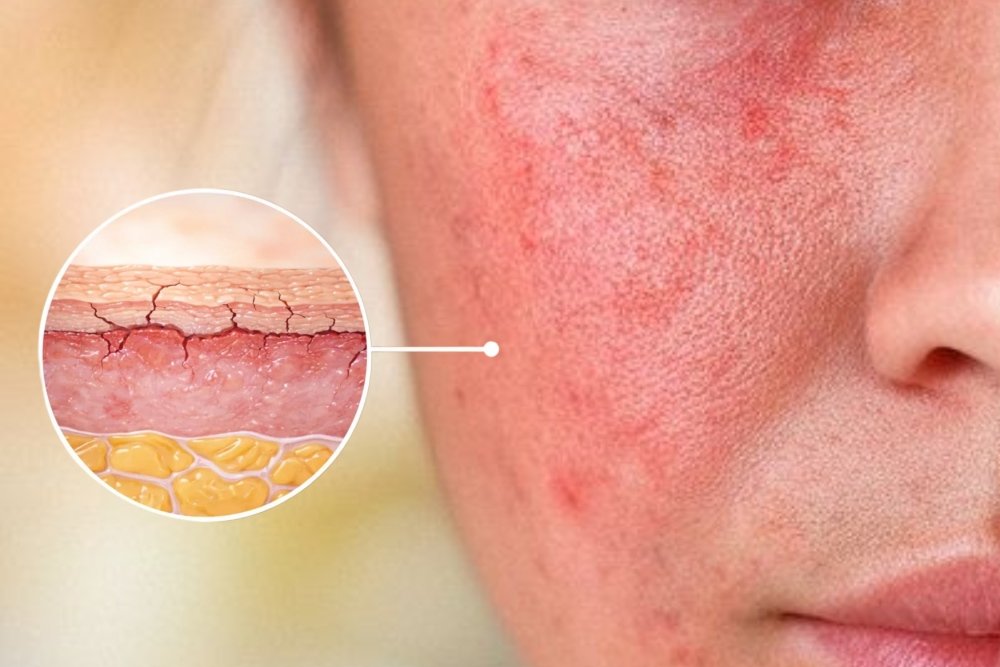
Common skin barrier damage symptoms include persistent dryness, redness, stinging, tightness, increased product sensitivity, and unexpected breakouts.
In more detail, watch for:
If several of these sound familiar, your skin is likely asking for barrier repair, not more active ingredients. Recognizing these skin barrier damage symptoms early can prevent weeks of trial-and-error with the wrong products.
Dry skin lacks oil naturally, while a damaged skin barrier has lost its ability to retain moisture and protect itself, and the two often get confused.
Naturally dry skin tends to feel consistently dry but rarely stings or reacts to products. A damaged skin barrier, on the other hand, often comes on suddenly, skin that was previously fine starts reacting, burning, or breaking out, even with products you’ve used for months. If your skin type seems to have “changed overnight,” it’s far more likely to be barrier damage than naturally dry skin, and treating it the same way (heavier creams alone) usually isn’t enough.
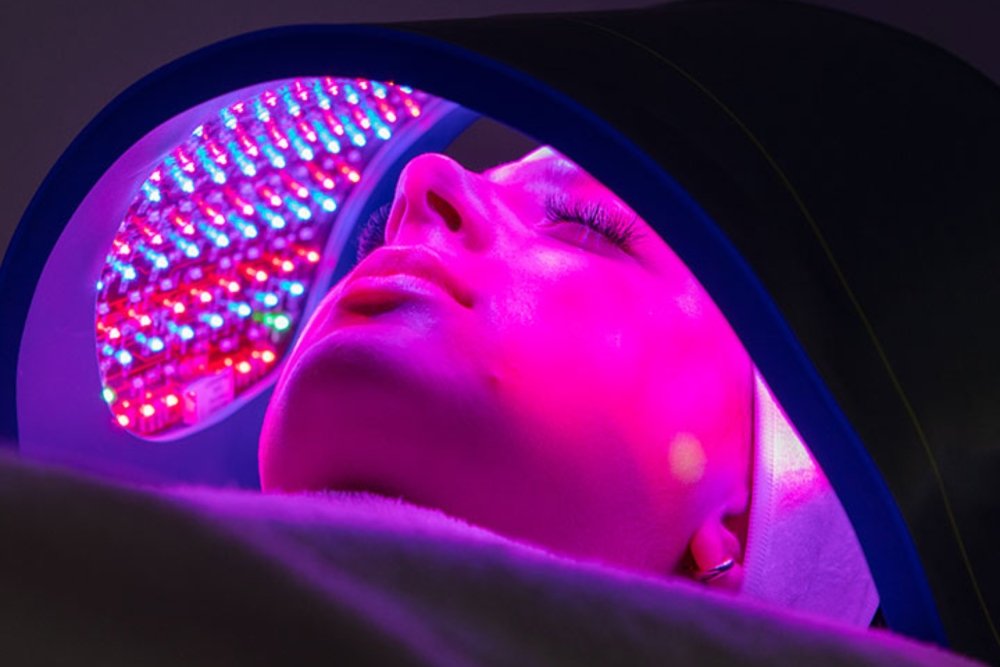
Protect your skin barrier daily by using lukewarm water, a pH-balanced cleanser, SPF every morning, and ceramide-based moisturizers, even when your skin looks fine.
Most skin barrier damage builds up slowly through small daily habits, not one bad product. A consistent, gentle routine is what keeps the barrier resilient long-term, which is also why dermatologists often recommend prevention-focused care rather than waiting for symptoms to appear before acting.
If skin reacts to products you previously tolerated, or hydration stops “sinking in,” your barrier is likely compromised, but persistent symptoms can also overlap with eczema, rosacea, or fungal infections, so a professional assessment is the safest way to confirm.
Repair your skin barrier by simplifying your routine, using ceramide-rich moisturizers, avoiding hot water and over-exfoliation, wearing SPF daily, and reintroducing actives slowly.
Here’s the step-by-step approach dermatologists generally recommend:
While at-home care helps mild cases, more visible or prolonged barrier damage usually needs targeted, professional-grade skin barrier treatment, especially when symptoms don’t improve in a few weeks. At that stage, consulting a dermatologist for skin barrier damage gets you a faster, more accurate fix than continuing to guess at home.
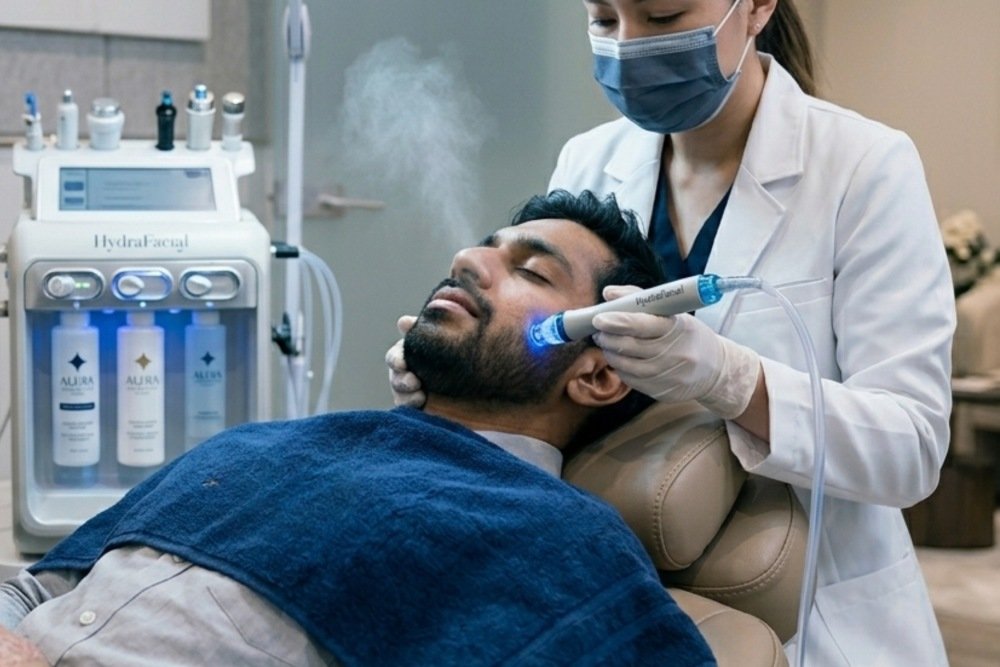
The most effective professional Skin Barrier Treatments are medical-grade hydrating facials, LED light therapy, and dermatologist-prescribed skincare.
Here’s how each one helps:
See a dermatologist for skin barrier damage if symptoms last more than 2-3 weeks despite a simplified routine, or if you notice persistent redness, breakouts, or burning.
Searching for a reliable dermatologist for skin barrier damage is the smarter move than trying five new products hoping one works. A professional assessment identifies exactly what’s damaging your barrier and what your skin actually needs to recover.
Climate, pollution, and humidity directly affect how fast your skin barrier breaks down, which is why location-specific treatment works better than generic advice.
This is why more people are searching for skin barrier treatment Delhi options that understand local environmental stressors, rather than following skincare advice meant for a completely different climate. A clinic familiar with Delhi’s pollution and weather patterns can tailor skin barrier treatment far more effectively than a generic, one-size-fits-all routine.
Yes, mild damage often heals in 2-4 weeks with a simplified, gentle routine.
Ceramides, paired with hyaluronic acid and niacinamide, are the most effective.
Yes, pause retinol and other actives until the barrier stabilizes.
Most people see visible improvement within 3-6 weeks of consistent care.
Yes, a weak barrier lets in bacteria and irritants, which often triggers breakouts.
Your skin barrier isn’t just a buzzword, it’s the foundation of every other skin concern you’re trying to fix, whether that’s acne, pigmentation, or anti-aging. Strip it, ignore it, or overload it with actives, and nothing else in your routine will truly work. Repair it first, and everything else becomes easier.
If your skin has been feeling unusually sensitive, dry, or reactive lately, don’t wait for it to get worse. Book a consultation with Dr. Jalpa Jani at Klarity Skin Clinic for a personalized skin barrier assessment and treatment plan designed around what your skin actually needs, not generic advice.
Visit Klarity Skin Clinic to book your appointment today and give your skin the expert care it deserves.
Klarity Skin Clinic, M – 69, First Floor,
M Block Market, Greater Kailash II, New Delhi 110048
Copyright © 2025 All Rights Reserved.
Klarity Skin Clinic is Unit of Acara Wellness Private Limited.