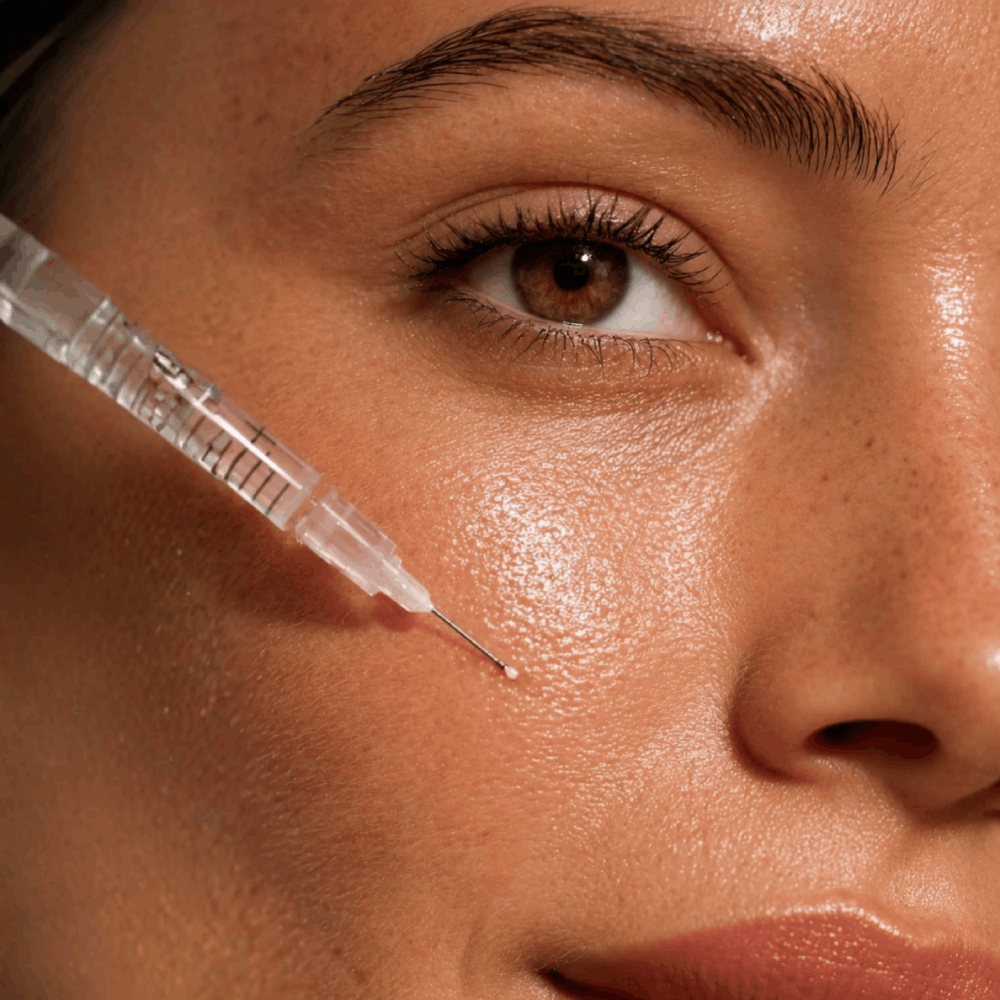
What Is Ozempic Face? Causes, Symptoms, and Treatment Options
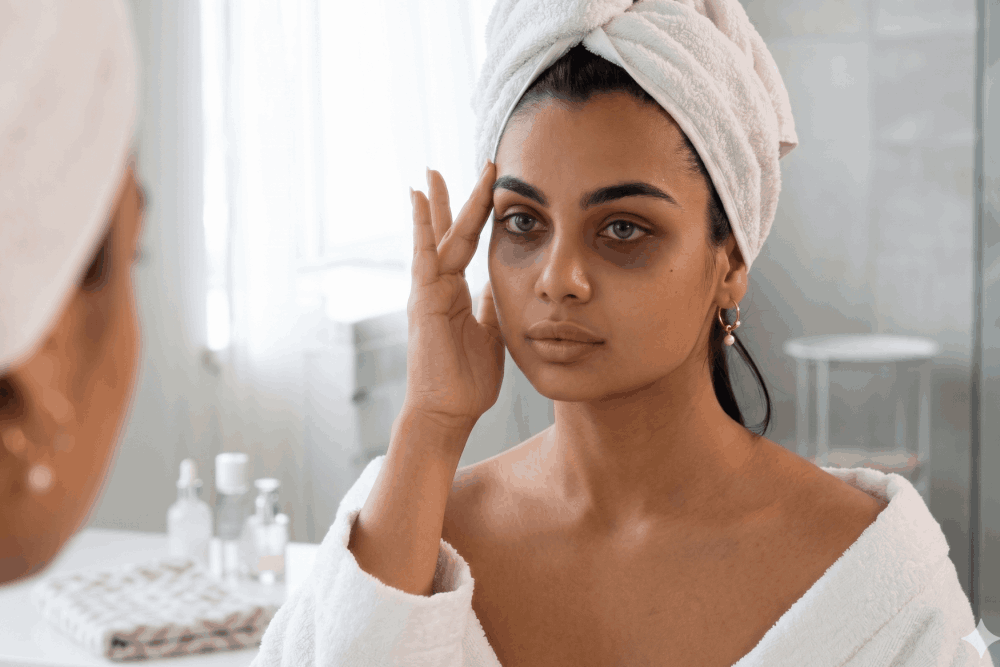
You’ve probably seen the headlines, celebrities looking noticeably gaunt, social media buzzing with before-and-after photos, and dermatologists suddenly fielding a flood of new consultations. Welcome to the era of Ozempic face, a term that’s gone from niche medical observation to mainstream conversation practically overnight.
But what exactly is it? Is it dangerous? And most importantly, can it be fixed?
Whether you’re currently on a GLP-1 medication like semaglutide, considering it, or simply curious after seeing dramatic transformations online, this guide breaks down everything you need to know clearly, honestly, and without the scare-mongering.

“Ozempic face” is an informal term coined to describe the facial changes that occur when someone loses a significant amount of weight rapidly, often as a result of using GLP-1 receptor agonist medications like Ozempic (semaglutide) or Wegovy.
The term was popularised around 2022-2023 when doctors and patients began noticing a pattern: people who lost weight quickly on these medications often looked older, hollower, or more drawn in the face, even when the rest of their body transformation was considered a success.
Here’s the thing, Ozempic face isn’t caused by the drug itself. It’s caused by rapid weight loss. The medication is simply the trigger for that loss. This distinction matters, because it means anyone losing weight fast whether through surgery, extreme dieting, or medication can experience similar facial changes.
Understanding the causes of Ozempic face requires a quick lesson in how fat behaves in the human face.
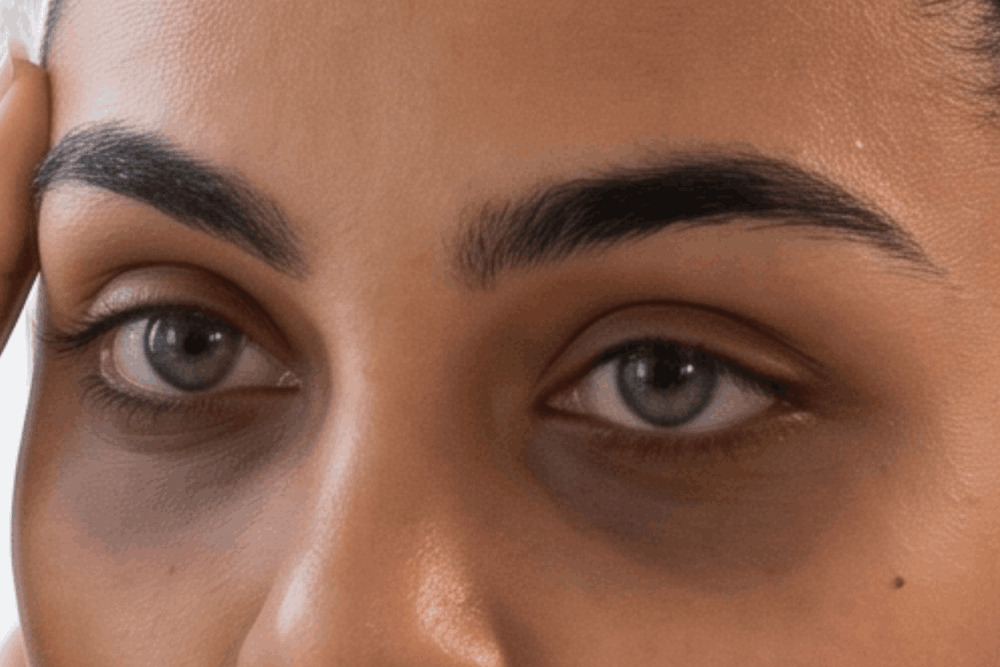
The face contains strategic fat pads in the cheeks, under the eyes, around the temples, and along the jawline. These fat compartments give the face its youthful fullness and structure. When you lose weight rapidly, these fat pads shrink or shift, leaving the skin with less support underneath.
The result? Hollow cheeks, sunken under-eyes (tear troughs), a more prominent jawline (not always in a good way), and a general "deflated" look.
Skin is elastic, but only to a point. When fat disappears quickly, the skin doesn't always have time to snap back. This leads to loose, sagging skin particularly around the lower face, jowls, and neck, areas that tend to show age fastest.
The face is often one of the first places we lose fat, and one of the last places we want to. Unlike belly fat, which is metabolically active and tends to respond quickly to caloric deficit, facial fat is structural. Losing it changes how you look far more dramatically than losing the same amount elsewhere on the body.
Older patients tend to experience more visible weight loss facial changes because skin elasticity naturally decreases with age. A 50-year-old losing 15kg will likely notice more facial sagging than a 28-year-old losing the same amount.
The signs are usually hard to miss, both for the person experiencing them and those around them. Common symptoms include:
It’s worth noting, these changes don’t happen to everyone on GLP-1 medications. Genetics, starting weight, age, the pace of weight loss, and overall skin health all play a role.
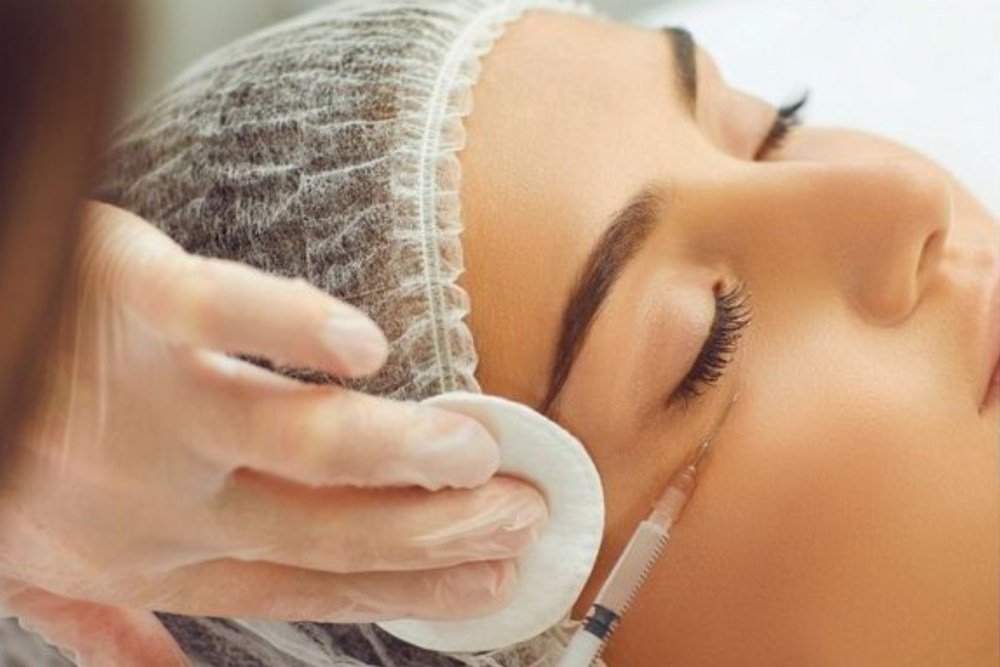
Yes, and this is where the conversation gets genuinely exciting. Ozempic face treatment has become one of the fastest-growing areas in aesthetic medicine, and for good reason. There are highly effective, non-surgical options that can restore facial volume, tighten skin, and turn back the clock, often dramatically.
Here’s a look at the best treatments for Ozempic face:
Fillers remain the gold standard for addressing volume loss. Hyaluronic acid fillers like Juvederm or Restylane can instantly restore fullness to the cheeks, under-eyes, and temples. Biostimulators like Sculptra go a step further, they stimulate your own collagen production, offering results that develop gradually and last longer.
For patients whose primary concern is skin laxity and dullness rather than volume loss, injectable skin boosters like Profhilo deliver deep hydration and stimulate collagen and elastin. The result is firmer, more luminous skin without looking "filled."
This combines the collagen-stimulating effects of microneedling with the skin-tightening power of radiofrequency energy. It's particularly effective for jowl laxity and overall skin texture improvement.
For patients with noticeable sagging, PDO or PCL thread lifts offer a non-surgical way to physically lift and reposition descended facial tissues. Results are subtle but meaningful.
In more significant cases, fat is harvested from another part of the body (like the abdomen or thighs often plentiful post-weight loss!) and carefully transferred to the face. It's a more involved procedure but offers natural, long-lasting results.
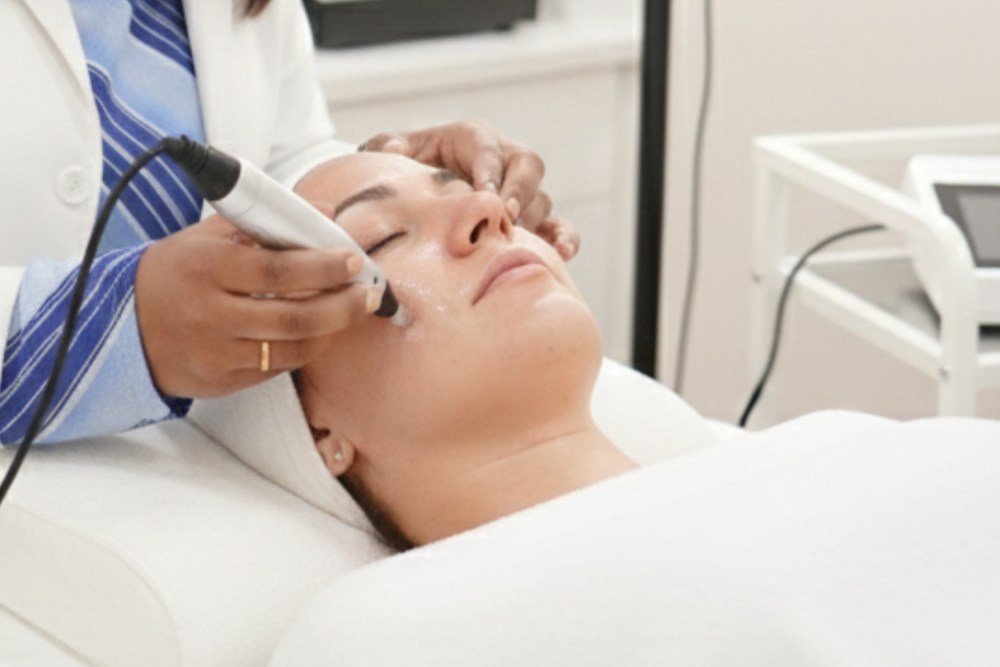
If you’re in India and dealing with these changes, the good news is that world-class facial rejuvenation for Ozempic face is absolutely accessible. Ozempic face treatment in Delhi has seen a sharp rise in demand, with experienced aesthetic physicians now offering comprehensive, personalised protocols tailored to post-weight-loss facial changes.
What to look for in a provider:
While not entirely avoidable, there are strategies to minimise the impact:
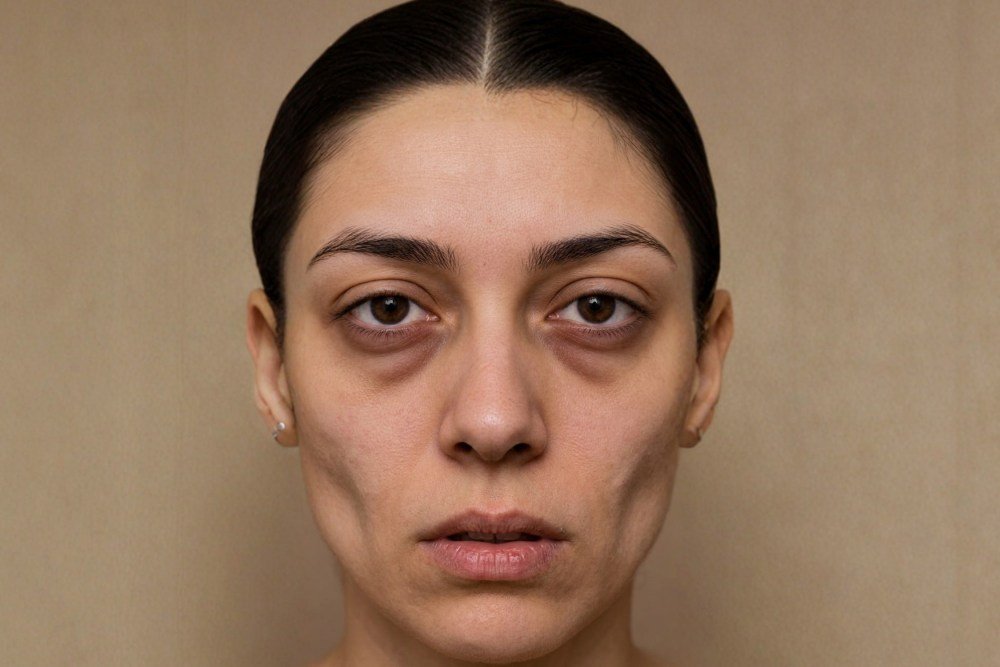
Ozempic and similar medications have genuinely changed lives, helping millions achieve healthier weights and reducing serious disease risk. But the weight loss facial changes that sometimes accompany them are real, and they deserve to be taken seriously, not dismissed.
The great news? You don’t have to choose between a healthier body and a youthful face. With the right Ozempic face treatment plan, you can have both.
If you’re noticing facial changes after weight loss and wondering what your options are, the team at The Klarity is here to help. With expertise in advanced facial rejuvenation and a personalized approach to every patient, we offer treatments designed specifically for post-weight-loss facial concerns, from subtle volume restoration to full facial renewal protocols.
Don’t let your face tell a story your body doesn’t. Book your consultation with The Klarity today and take the first step toward looking as good as you feel.
Klarity Skin Clinic, M – 69, First Floor,
M Block Market, Greater Kailash II, New Delhi 110048
Copyright © 2025 All Rights Reserved.
Klarity Skin Clinic is Unit of Acara Wellness Private Limited.