
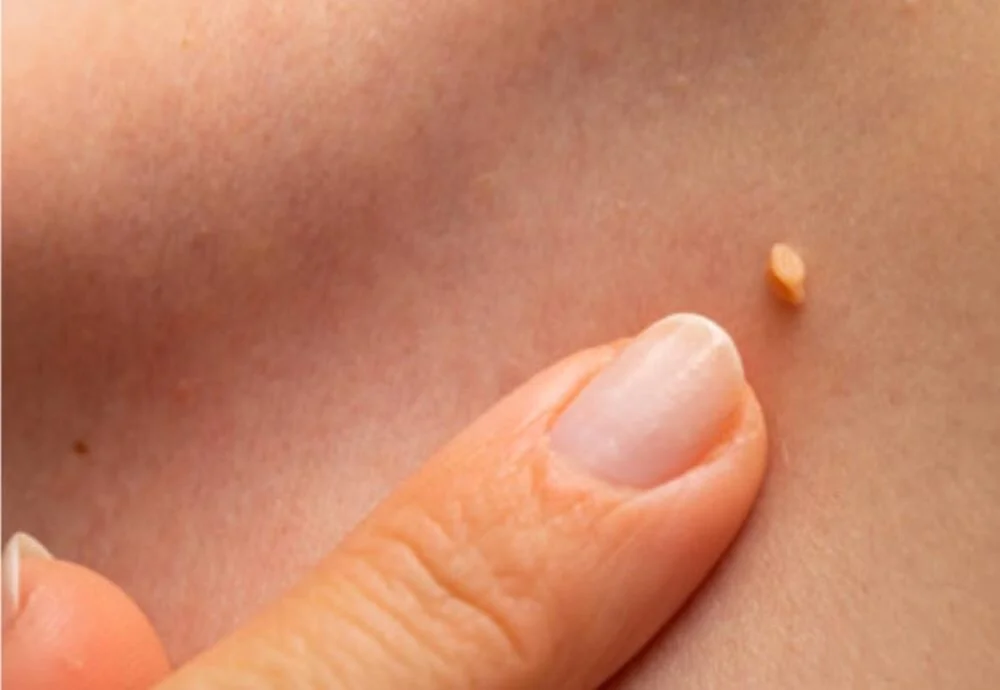
Warts are small, raised growths on the skin or mucous membranes caused by the human papillomavirus (HPV). There are over 200 strains of HPV, each leading to different types of warts, which can appear on the hands, feet, or genitals. Warts are contagious and can spread through direct contact with the wart, skin, or contaminated surfaces. They can also spread from one area of the body to another. While most warts are harmless and go away on their own, they can be bothersome, painful, or unsightly. Treatment options like cryotherapy (freezing), salicylic acid, or surgical removal are available to eliminate them faster. Early plantar warts removal can help speed up healing, reduce discomfort, and prevent spreading the virus to others.
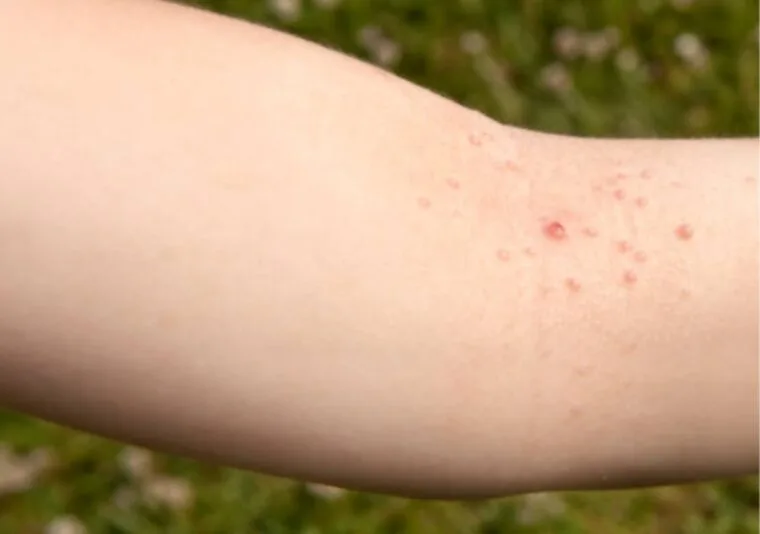
Warts can appear as rough, bumpy, or smooth growths in various sizes, often on the hands, feet, or genitals. Symptoms include a raised, hardened area of skin, sometimes with black dots, which are dead capillaries. One treatment for plantar warts removal is radiofrequency, a method where high-frequency electrical currents are used to heat and remove the wart tissue. Under topical or local anesthesia, the electrical current is applied to the wart, causing it to break down and be removed. Afterward, the skin typically heals within a week. However, recurrence is common, and follow-up treatments may be necessary to ensure complete removal and prevent future growths. For other common skin concerns, see our care for skin tags and fungal infection.

A1: Plantar warts are generally harmless, non-cancerous skin growths caused by certain strains of the human papillomavirus (HPV). However, they can cause pain or discomfort while walking or standing, particularly when they develop on pressure-bearing areas of the feet. A dermatologist should examine warts that bleed, change appearance or cause persistent pain.
A2: Yes, plantar warts can sometimes disappear on their own as the immune system fights the HPV infection. However, this process may take months or even years. Treatment may be recommended if the wart causes pain, spreads or interferes with daily activities.
A3: Yes, plantar warts are contagious because they are caused by HPV. The virus can spread through direct contact or contaminated surfaces, particularly in warm and moist environments such as swimming pools and communal showers. Avoid sharing footwear, keep your feet clean and dry, and wear protective footwear in public wet areas.
A4: Yes, plantar warts can recur after treatment because the virus may remain in the surrounding skin even after the visible wart has been removed. Recurrence can also occur following exposure to HPV again. Follow-up treatment and appropriate foot hygiene can help manage recurring infections.
A5: Plantar warts can be treated using options such as salicylic acid, cryotherapy (freezing), electrosurgery, laser treatment and other dermatologist-prescribed therapies. The choice depends on the wart's size, depth, number and response to previous treatments. Some persistent plantar warts may require multiple treatment sessions.
A6: Some small plantar warts may respond to over-the-counter treatments containing salicylic acid, which gradually removes the thickened layers of infected skin. However, home remedies such as applying garlic, vinegar or tea tree oil have limited scientific evidence and may irritate or damage the skin. People with diabetes, poor circulation or reduced foot sensation should consult a dermatologist before attempting home treatment.
A7: Plantar warts can be prevented or their spread reduced by wearing footwear in public showers and swimming pool areas, keeping feet clean and dry, avoiding shared towels and shoes, and not picking or scratching existing warts. These precautions reduce exposure but cannot guarantee complete prevention.
A8: A dermatologist can treat plantar warts using procedures such as cryotherapy, laser therapy, electrosurgery and other medical treatments. The most suitable option depends on the wart's characteristics and previous treatment response. Although treatment can clear visible warts, recurrence is possible because HPV may remain in the surrounding skin.
A9: Yes, plantar warts commonly affect children and teenagers, particularly those who walk barefoot in shared areas such as swimming pools and changing rooms. They may cause discomfort while walking or participating in physical activities. Many resolve naturally, but painful or persistent warts should be evaluated by a dermatologist.
A10: You should consult a dermatologist if a plantar wart causes persistent pain, spreads, changes appearance, bleeds or does not improve with appropriate home treatment. People with diabetes, poor circulation or weakened immune systems should seek medical advice rather than attempting self-treatment.
Klarity Skin Clinic, M – 69, First Floor,
M Block Market, Greater Kailash II, New Delhi 110048
Copyright © 2026 All Rights Reserved.
Klarity Skin Clinic is Unit of Acara Wellness Private Limited.


