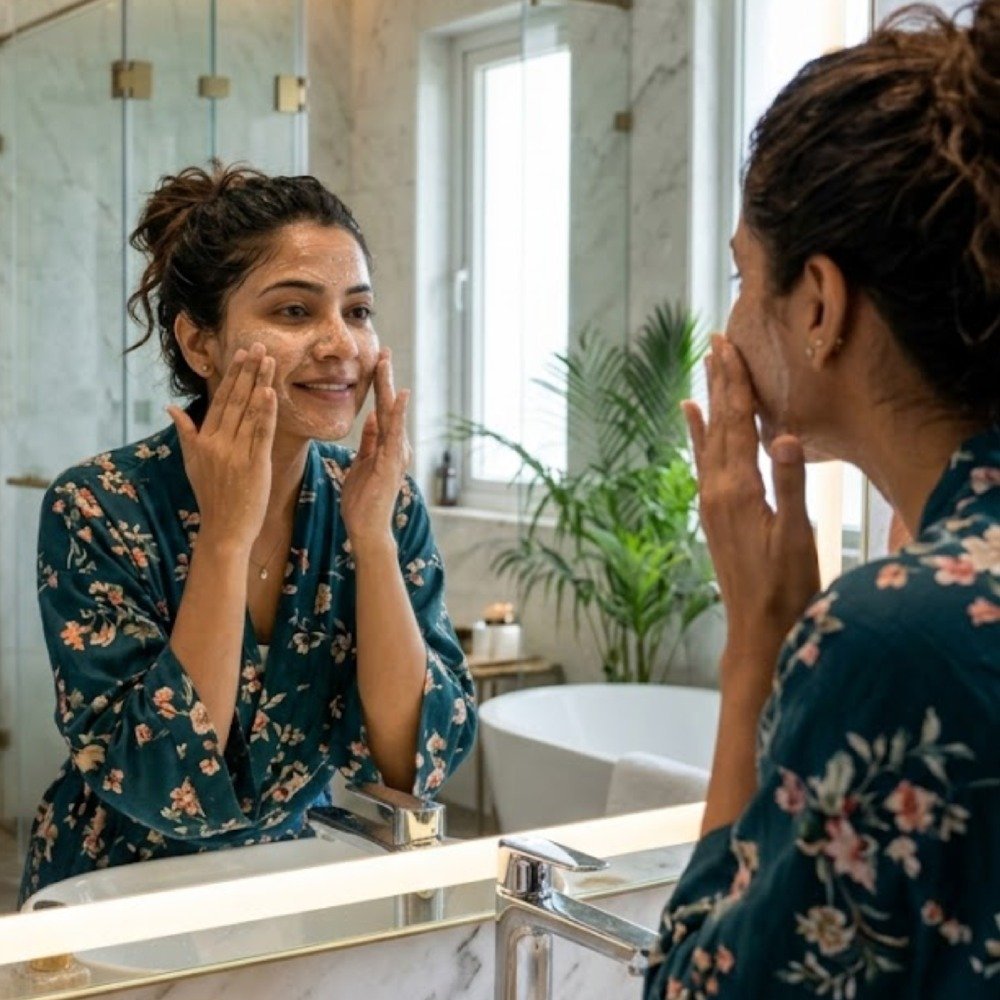
Are You Over-Exfoliating? Signs Your Skin Barrier Is Damaged
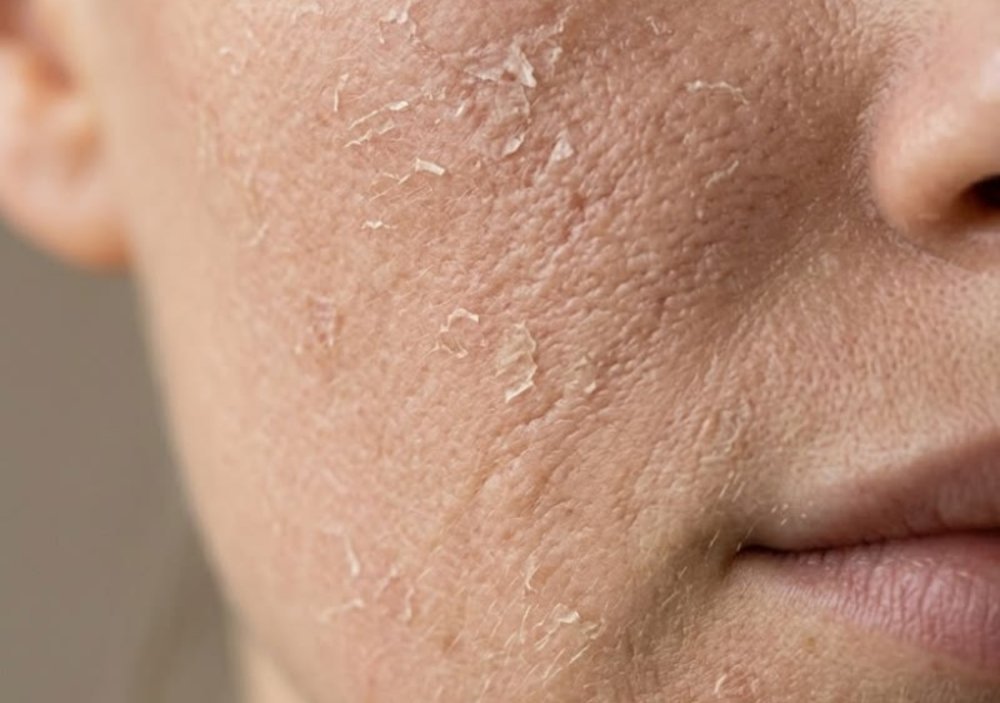
Does your skin feel tight lately? Does it sting when you apply your usual serum, or look red for no real reason? If so, you might be over-exfoliating without even realizing it. It’s one of the most common skincare mistakes out there, and honestly, it’s an easy one to make. That “glowy” feeling you get right after a scrub or acid peel can quietly turn into irritation, dryness, and a weakened skin barrier if you keep pushing it too far.
In this blog, we’ll help you figure out if you’re over-exfoliating, explain what’s actually happening underneath your skin, and show you how to bring your barrier back to life.
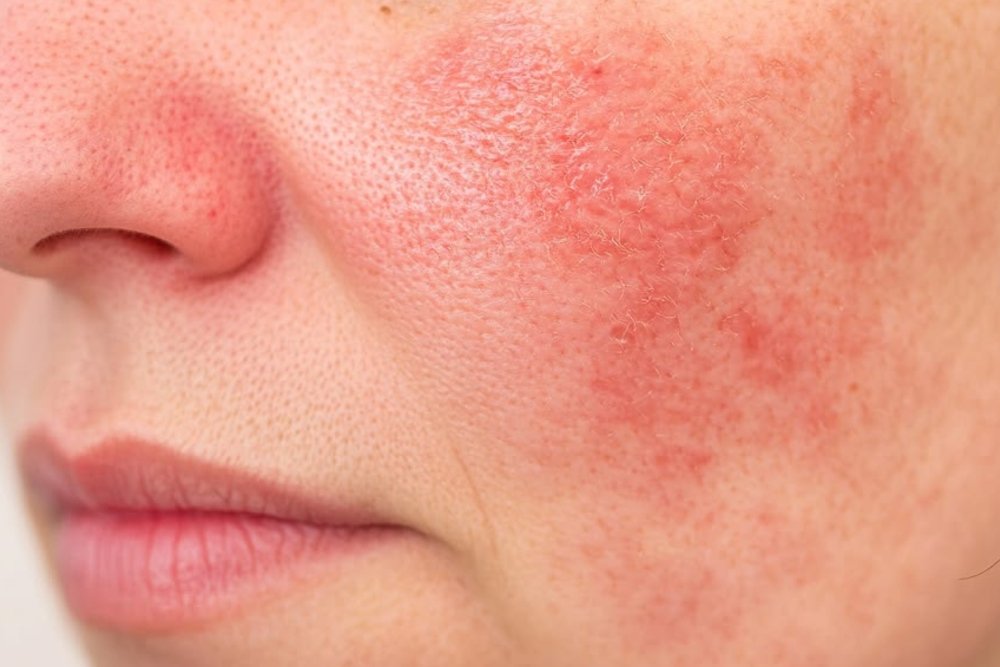
Exfoliation, whether it’s a physical scrub or a chemical exfoliant like AHAs, BHAs, or retinoids, works by removing the outermost layer of dead skin cells. Done right, it can leave your skin brighter, smoother, and more open to the rest of your routine.
But your skin has a limit. Every time you exfoliate, you’re gently disrupting the outer layer that protects you. If you do it too often, too aggressively, or mix too many activities at once, that layer never really gets the chance to rebuild. This is when over-exfoliating starts causing real problems, not just a mild adjustment phase.
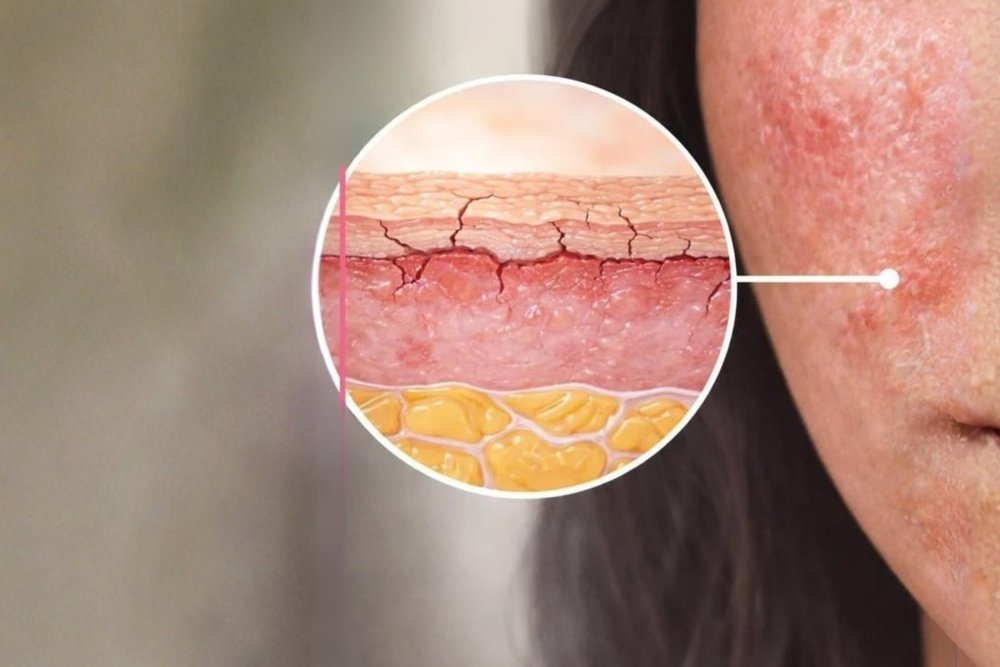
Your skin barrier, also known as the moisture barrier, is a thin outer layer made up of lipids, ceramides, and skin cells packed closely together, kind of like bricks held in place by mortar. Its job is simple but important: keep moisture in, and keep irritants, bacteria, and pollution out.
When this barrier is healthy, your skin looks calm, feels comfortable, and responds well to your products. When it’s compromised, even your gentlest products can start to sting. That’s usually the first clue that over-exfoliating has gone a bit too far.
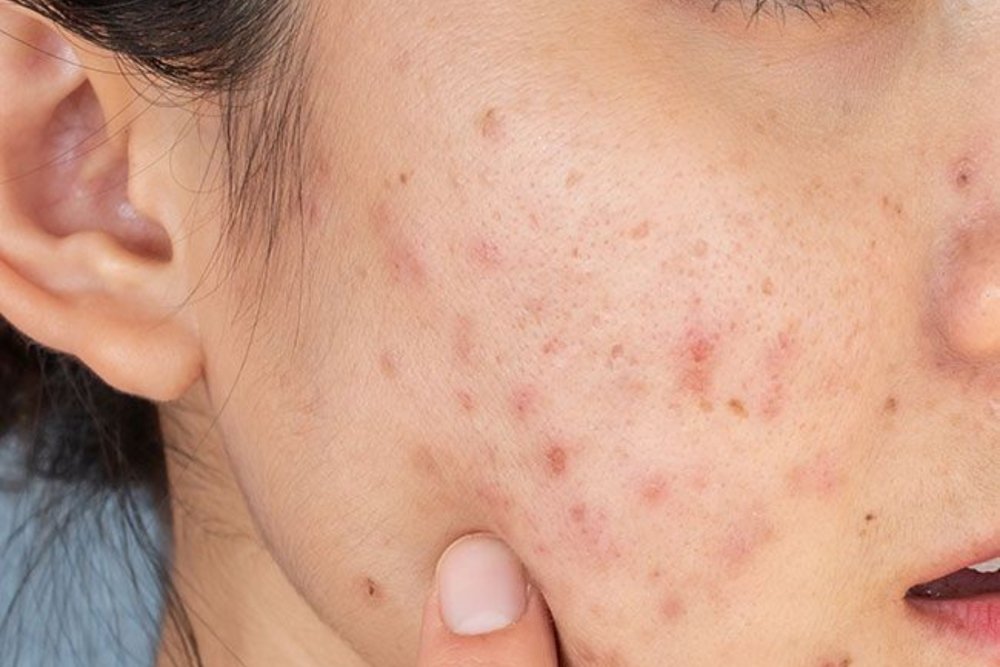
Here’s how to tell if you are over-exfoliating your skin, before it turns into a bigger issue.
A little redness right after exfoliating is normal. But if your skin stays flushed for hours, or looks blotchy even without any product on, that's a sign your barrier is inflamed and struggling to recover.
Does your moisturizer suddenly sting? Does your skin feel like it's pulling when you smile or talk? This kind of reactivity is one of the clearest signs of over-exfoliating. Your barrier is exposed and can no longer buffer everyday products the way it used to.
Funny enough, over-exfoliating often causes more flaking, not less. Once the barrier is damaged, it can't hold onto moisture properly, so the skin surface turns dry, rough, and patchy, sometimes in the exact spots you were trying to smooth out.
If you're suddenly breaking out despite doing "everything right," over-exfoliating could be the hidden reason. A damaged barrier lets bacteria in more easily, and your skin often produces extra oil to compensate, which clogs pores and leads to new breakouts.
Sunlight feels harsher. Weather changes bother your skin more. Products you've used for months suddenly become irritating. This kind of heightened sensitivity is a strong signal of a damaged skin barrier that needs a break from activities, not more of them.
Some people notice their skin looks unusually shiny or "raw," almost like it's been polished a bit too much. This happens when the skin's surface layer is over-stripped, leaving fewer natural oils behind to protect it.

Use this table to quickly match what you’re seeing in the mirror with what’s actually happening, and what to do about it.
| Sign | What’s Happening | Quick Fix |
|---|---|---|
| Redness that won’t settle | Barrier is inflamed and can’t calm itself down | Pause actives, use a fragrance-free calming moisturizer |
| Tightness, stinging, burning | Protective lipid layer is stripped away | Stop exfoliating, simplify your routine for 1 to 2 weeks |
| Flaking or rough patches | Barrier can’t retain moisture properly | Add ceramides and hyaluronic acid to hydrate |
| Unexpected breakouts | Bacteria penetrates easier; excess oil compensates | Use a gentle, non-comedogenic cleanser and avoid over-touching skin |
| Sensitivity to everything | Nerve endings are more exposed and reactive | Cut actives completely, reintroduce slowly later |
| Shiny, taut-looking skin | Natural oils have been over-stripped | Rebuild with facial oils or occlusive moisturizers |

Most people don’t over-exfoliate on purpose. It usually creeps in through small habits like:
None of these are huge mistakes on their own. They’re small habits that add up over time, which is exactly why over-exfoliating is so common.
If any of these signs sound familiar, don’t worry. Skin barrier repair is very much possible. It just takes a little patience.
For most skin types, 1 to 3 times a week is enough. Sensitive or dry skin may only need it every 10 to 14 days, while oilier or more resilient skin can sometimes handle a bit more. The key is to always let your skin’s response guide the frequency, not a routine you saw online.
Glowing skin isn’t about doing more. It’s about doing what your skin can actually handle. If you’ve been noticing redness, tightness, or breakouts that don’t quite make sense, there’s a good chance you’re over-exfoliating, and your skin barrier is simply asking for a break.
At The Klarity, we believe real skincare progress comes from balance, not intensity. Listen to what your skin is telling you, give it room to repair, and you’ll get that healthy glow back without the irritation that comes from pushing too hard.
Look out for redness that doesn't fade, tightness after cleansing, stinging when you apply products, or flaking that shows up even though you're exfoliating regularly. If these signs feel familiar, your skin is likely asking for a break.
Yes, it can. When your skin barrier is damaged, bacteria gets in more easily and your skin often overproduces oil to compensate, which leads to clogged pores and new breakouts.
Most mild cases heal within 1 to 2 weeks with a simplified routine. More significant barrier damage can take 4 to 6 weeks of consistent care, so patience matters more than speed here.
Stick to a gentle, fragrance-free cleanser and a moisturizer with ceramides, hyaluronic acid, or niacinamide. Skip activities like retinol, AHAs, and BHAs until your skin feels calm again.
Yes, and you should. Moisturizing is one of the most important steps in repairing a damaged skin barrier, since it helps lock in hydration while your skin rebuilds itself.
For most skin types, 1 to 3 times a week is enough. Sensitive or dry skin usually does better once every 10 to 14 days.
It can contribute to it. A damaged barrier struggles to retain moisture and repair itself, which can make fine lines and dullness more noticeable over time.
Klarity Skin Clinic, M – 69, First Floor,
M Block Market, Greater Kailash II, New Delhi 110048
Copyright © 2025 All Rights Reserved.
Klarity Skin Clinic is Unit of Acara Wellness Private Limited.