
Is Your Hairstyle Causing Hair Loss? Signs of Traction Alopecia
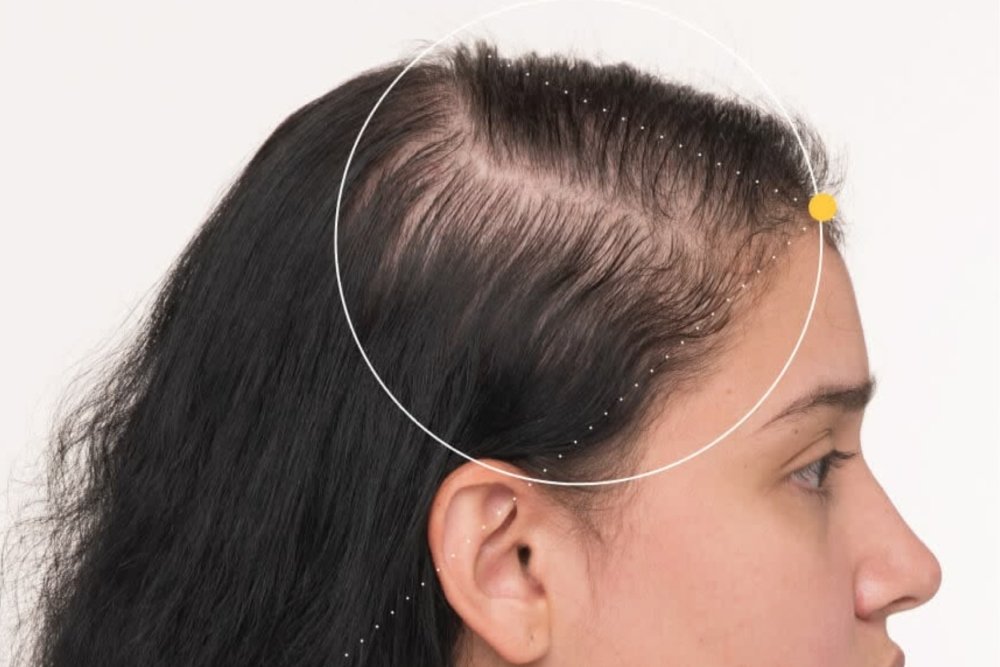
That sleek, pulled-back ponytail may look great, but could it be putting too much stress on your hairline? If your scalp feels tight during the day or you’ve noticed more short, broken hairs around the sides of your forehead, your everyday hairstyle could be playing a role. These can be early signs of traction alopecia, a type of hair loss caused by repeated pulling or tension on the hair. Catching the signs early can help prevent further damage and protect your hair.
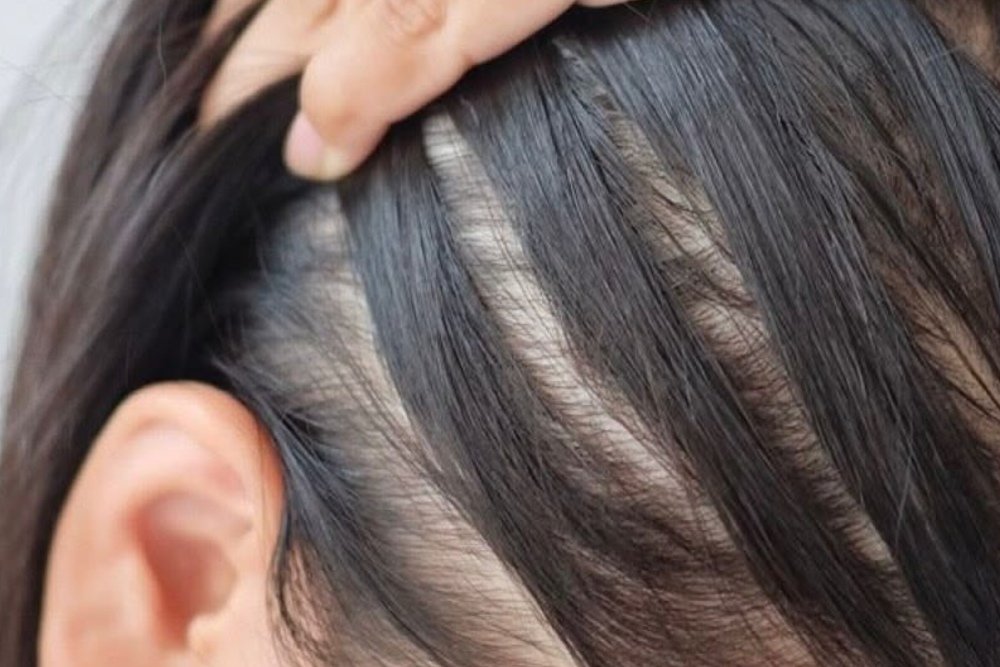
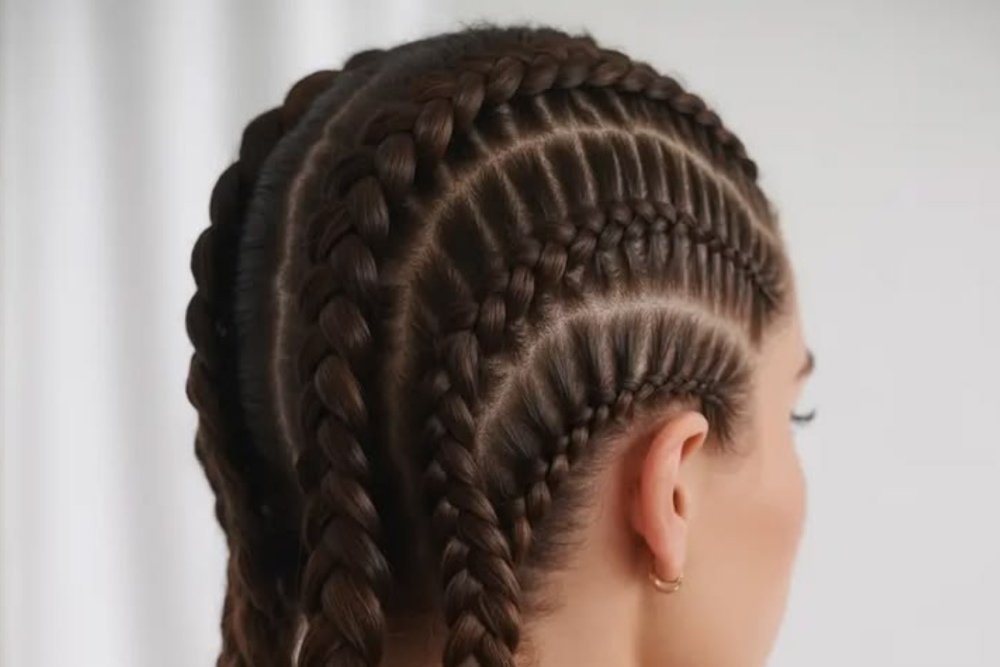
Traction alopecia is a type of hair loss caused by constant pulling or tension on the hair shaft and follicle. Unlike genetic hair thinning or hormonal shedding, this form of hair loss is mechanical; it happens because of how you style your hair, not what’s going on inside your body. Tight ponytails, cornrows, braids, buns, weaves and even hair extensions can all place repeated stress on the roots. Over time, this tension weakens the follicle’s grip, and hair starts to shed, break, or simply stop growing back in that area.
The tricky part? Traction alopecia doesn’t happen overnight. It builds gradually, which means many people don’t notice until the damage is already visible, usually along the hairline, temples, or parting.
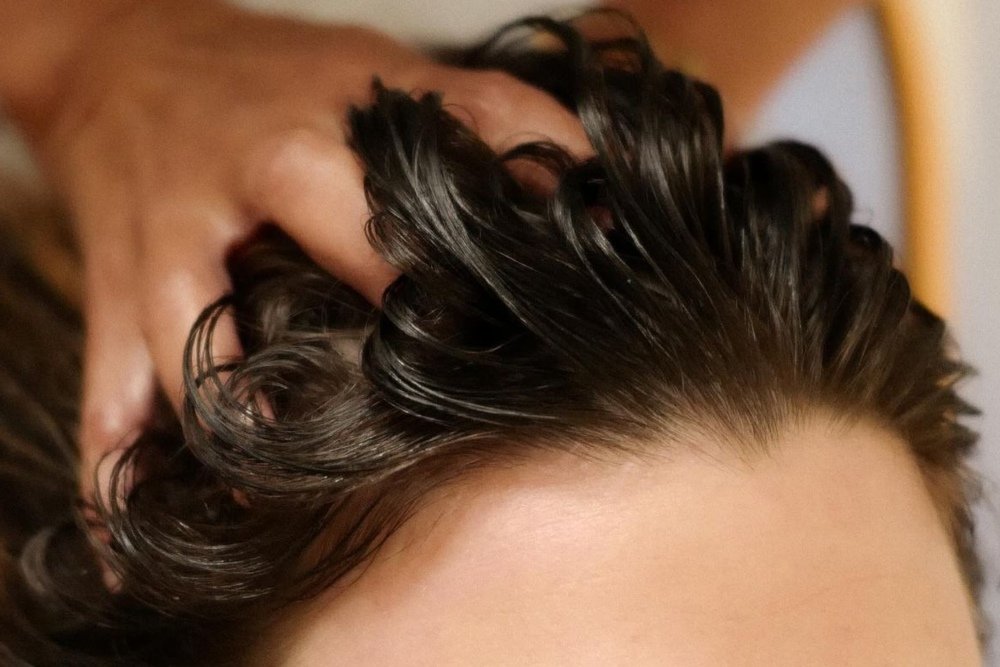
Catching traction alopecia early is the difference between a full recovery and permanent hair loss. Here are the warning signs your scalp might be sending you:
If your scalp hurts, tingles, or feels unusually tight after styling- especially right after a fresh braid or ponytail- that's your follicles under stress. Pain isn't normal; it's an early red flag.
Tiny bumps along the hairline or part line are often one of the first visible clues. This happens as the follicle becomes inflamed from constant pulling.
This is the classic pattern. Since most tension-heavy styles pull hair away from the front and sides, that's where breakage and thinning show up first, often described as a receding or "stressed" hairline.
Notice a fuzzy row of short, broken strands along your part or edges? That's not new growth; it's damage from repeated tension snapping the hair shaft.
Persistent irritation, redness, or mild scaling can signal follicle stress that, left unaddressed, may progress to scarring.
If certain patches take noticeably longer to regrow after a haircut or seem "stuck," it could mean the follicles in that area are becoming damaged.
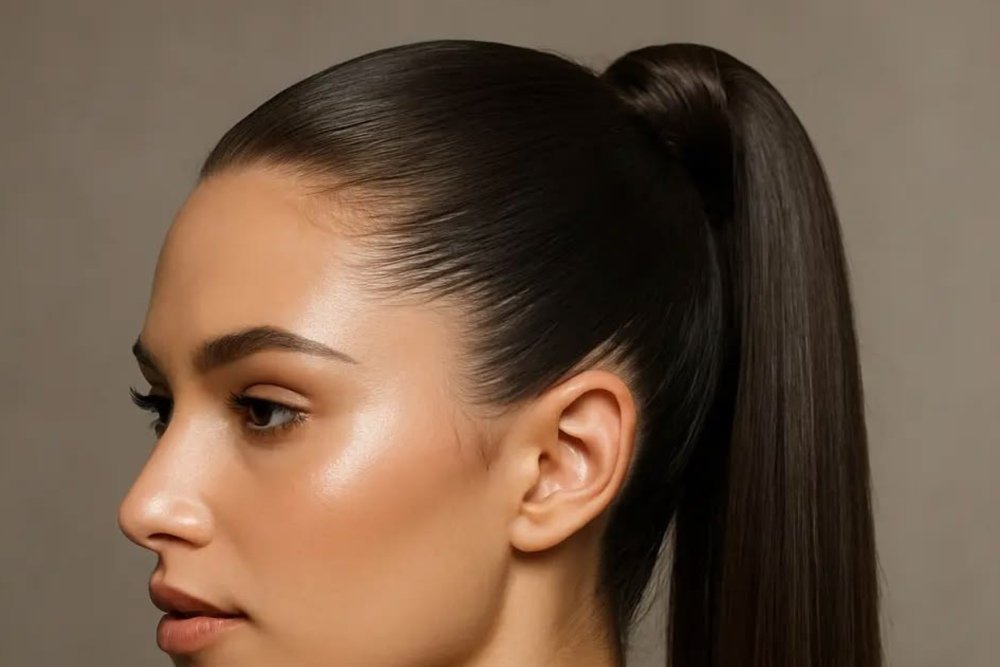
Not every style is harmful, but frequency, tightness and duration matter. Styles most linked to traction alopecia include:
The common thread isn’t the style itself; it’s sustained tension without a break. A tight style worn occasionally is very different from one worn continuously for weeks.
In its early stages, traction alopecia is almost always reversible. Once you release the tension by loosening the style, switching it up, or giving your scalp a break, hair typically grows back within a few months. However, if tight styling continues for years, the follicle can scar permanently. At that stage, hair loss becomes irreversible, no matter how much you change your routine. This is why recognizing the signs of traction alopecia early isn’t just helpful, it’s essential for long-term hair health.
If you suspect your hairstyle is causing hair loss, small changes can make a real difference:
If you’re noticing persistent thinning, visible scalp bumps, or hair that isn’t growing back despite changing your routine, it’s time to consult a dermatologist. They can assess whether the follicle damage is still reversible and recommend treatments such as topical solutions, anti-inflammatory care, or scalp treatments tailored to your stage of hair loss.
Your hairstyle should make you feel confident, not put your hair’s health at risk. Traction alopecia can often be prevented when you recognize the early signs and reduce the tension on your hair. If your scalp feels sore, your hairline looks thinner, or you notice more broken hairs, it may be time to switch up your styling routine.
At The Klarity, we believe healthier hair starts with understanding what your scalp needs. By making simple styling changes and paying attention to early warning signs, you can help protect your hairline and keep your hair looking healthy for years to come.

Yes, in most early cases. If you catch the signs early and reduce tension on your hair — by loosening tight styles or letting your scalp rest — hair usually regrows within a few months. However, if the follicles have been damaged for years, the hair loss can become permanent.
Regular hyaluronic acid fillers add immediate volume by physically filling an area, and the results fade as the filler breaks down. Sculptra Treatment works differently; it gradually stimulates your body to produce new collagen, so results build up over weeks to months and tend to last much longer.
The earliest sign is usually scalp tenderness, tightness, or small pimple-like bumps along the hairline after styling. This is often followed by short, broken hairs near the front and sides of the scalp.
Tight ponytails, buns, cornrows, box braids, weaves, and hair extensions worn frequently or for long periods are the most common culprits. The risk comes from sustained tension, not the style itself.
Not always. It's reversible in its early stages once tension is removed. But prolonged, repeated pulling over the years can scar the hair follicles, leading to permanent hair loss in the affected areas.
Unlike genetic or hormonal hair loss, traction alopecia is caused by physical pulling on the hair rather than internal factors. It typically affects specific areas — like the hairline or parting — rather than the scalp all over.
Yes. While it's more commonly discussed in relation to tight ponytails, braids, or extensions, men can develop traction alopecia from tightly styled dreadlocks, man buns, or even twisting facial hair too tightly.
If you notice ongoing thinning, scalp bumps, soreness, or hair that isn't regrowing despite changing your hairstyle, it's best to consult a dermatologist. Early professional evaluation increases the chances of full recovery.
Klarity Skin Clinic, M – 69, First Floor,
M Block Market, Greater Kailash II, New Delhi 110048
Copyright © 2025 All Rights Reserved.
Klarity Skin Clinic is Unit of Acara Wellness Private Limited.