Jawline Acne in Men: Causes, Treatment & Best Dermatologist in GK2
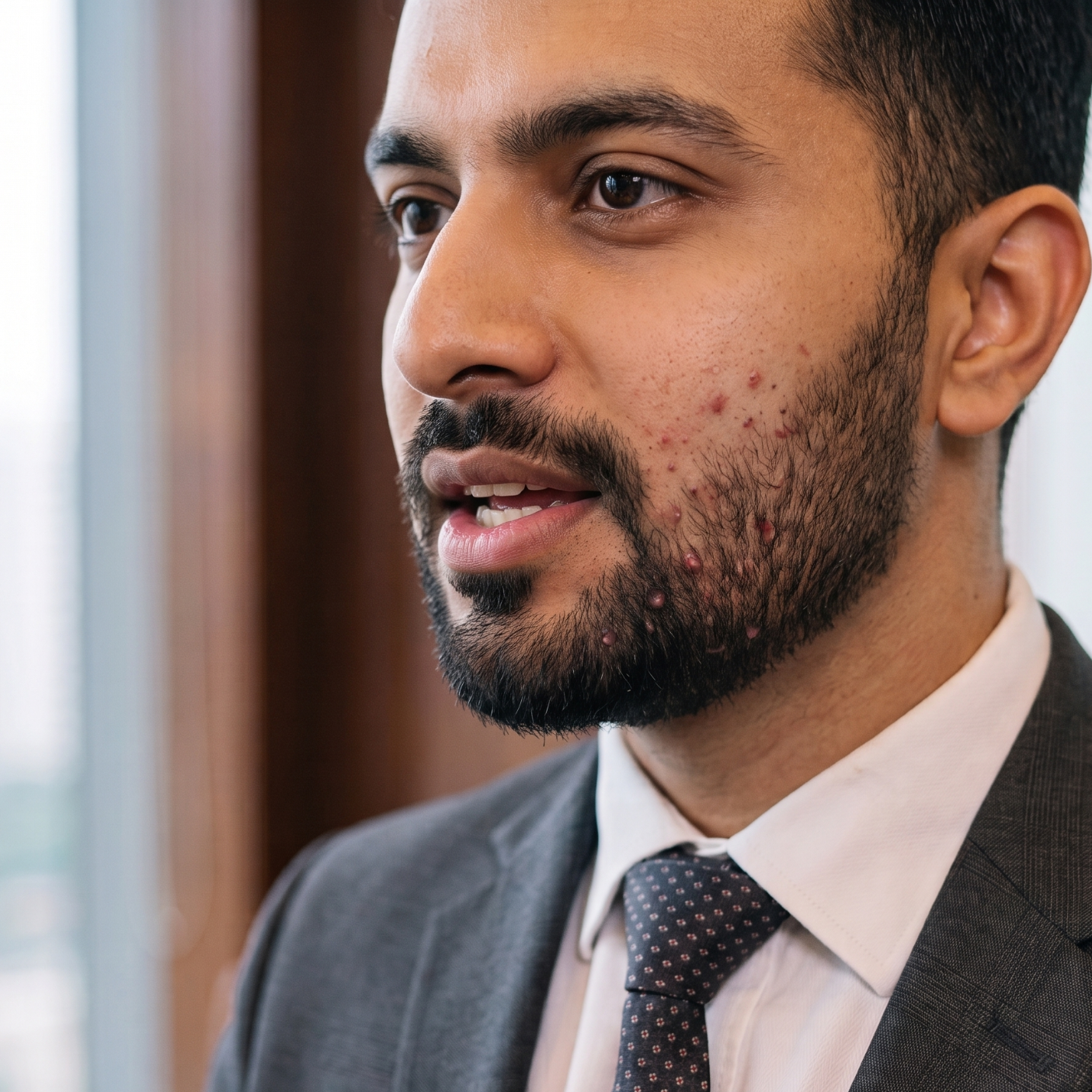
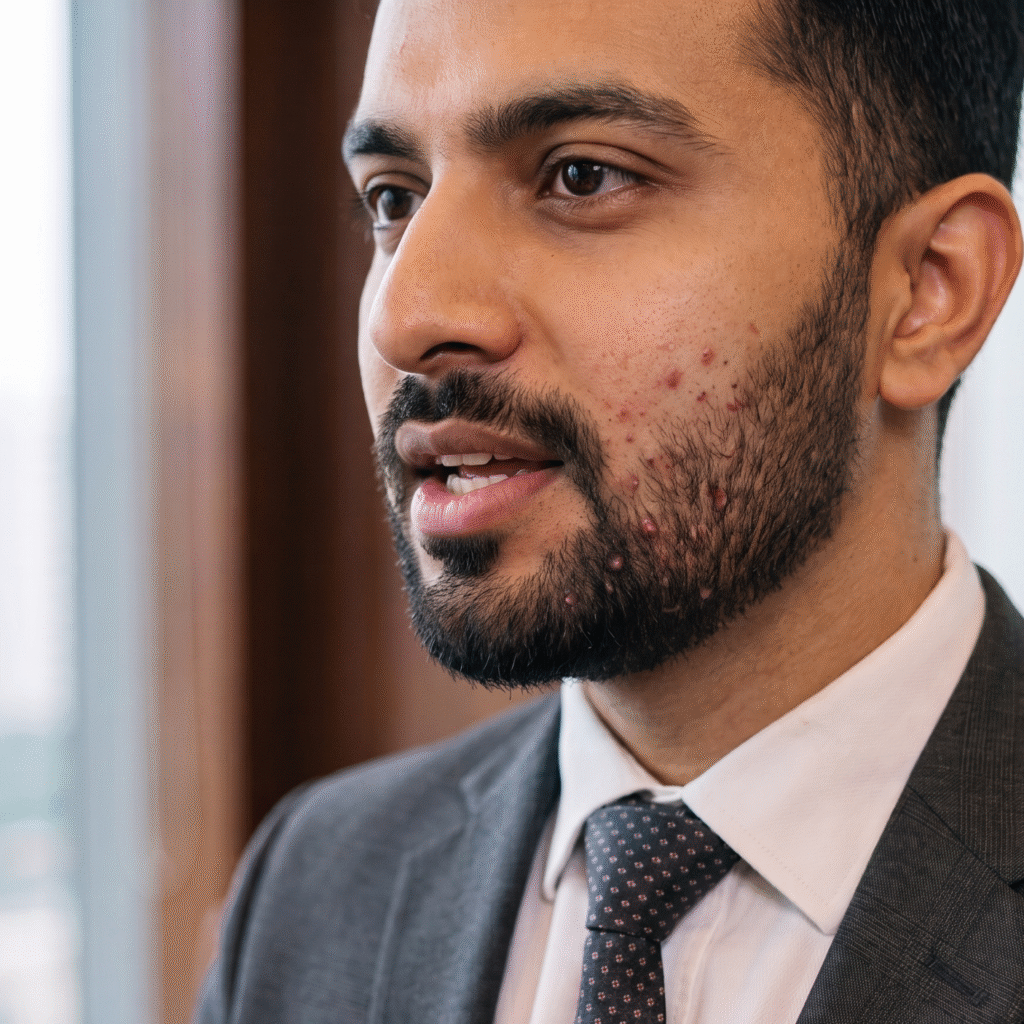
Waking up to a fresh breakout along the jaw is one of the most common and most frustrating skin complaints among men. Unlike acne on the forehead or nose, which is often tied to oil and dirt, Jawline Acne in Men tends to be deeper, more stubborn, and closely linked to hormones, shaving habits, and lifestyle factors. It can show up as small clusters of whiteheads, painful cystic bumps, or persistent redness that lingers for weeks. If you’ve been dealing with this and wondering why it keeps coming back no matter how well you cleanse your face, you’re not alone, and understanding the “why” is the first step toward clearing it up for good.
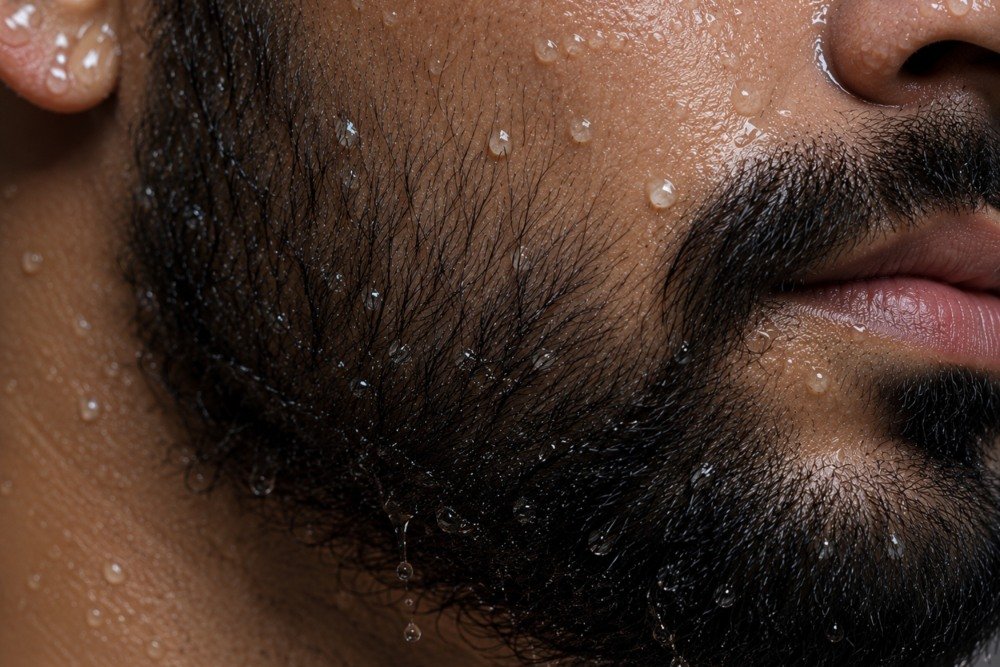
The jaw and lower face sit in what dermatologists sometimes call the “hormonal zone.” This area has a higher concentration of androgen-sensitive oil glands compared to other parts of the face. When testosterone levels fluctuate, which happens naturally due to stress, sleep patterns, diet, or even intense workouts, these glands can produce excess sebum. That extra oil, combined with dead skin cells and bacteria, clogs pores and creates the ideal environment for breakouts.
Men also have thicker skin and more hair follicles along the jaw and neck, which means more oil glands packed into a smaller area. This is one of the biggest reasons jawline acne in men behaves differently from acne seen on other parts of the face, it’s often deeper, harder, and slower to heal.
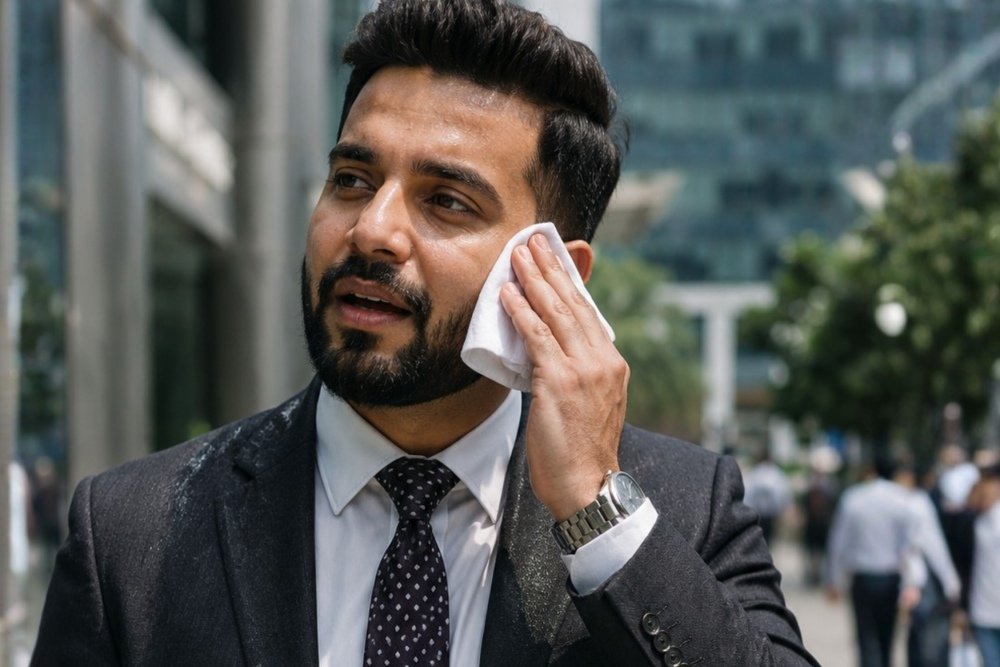
Understanding the causes of jawline acne in men helps in choosing the right approach to treatment rather than just masking the symptoms. Some of the most frequent triggers include:
Because so many of these causes overlap, jawline acne in men often requires a combination approach rather than a single fix.
Shaving-related acne deserves special attention because it’s one of the most preventable triggers. If you’re wondering how to get rid of jawline acne caused by shaving in men, the solution usually starts with technique rather than products. Always shave with a sharp, clean razor, and shave in the direction of hair growth rather than against it. Use a light pre-shave oil or gel to reduce friction, and avoid pressing too hard. After shaving, rinse with cool water to close pores and apply an alcohol-free, soothing aftershave rather than one with strong fragrances, which can further irritate already inflamed skin. Switching to an electric razor or trimming instead of shaving daily can also give irritated skin time to heal between sessions.
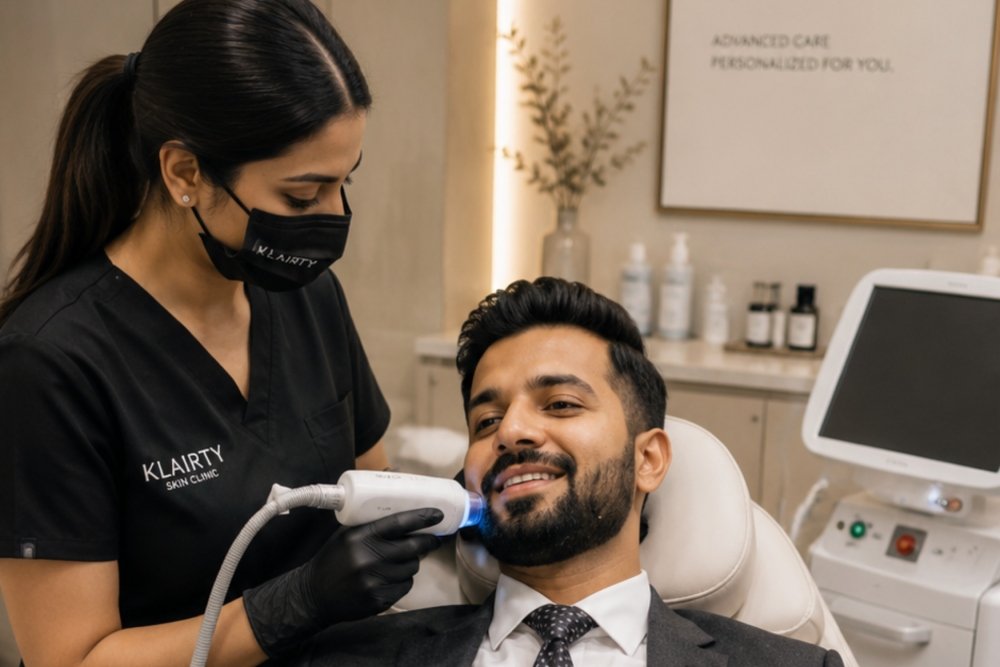
When it comes to jawline acne treatments, the right plan depends on whether the breakouts are mild, moderate, or cystic in nature.
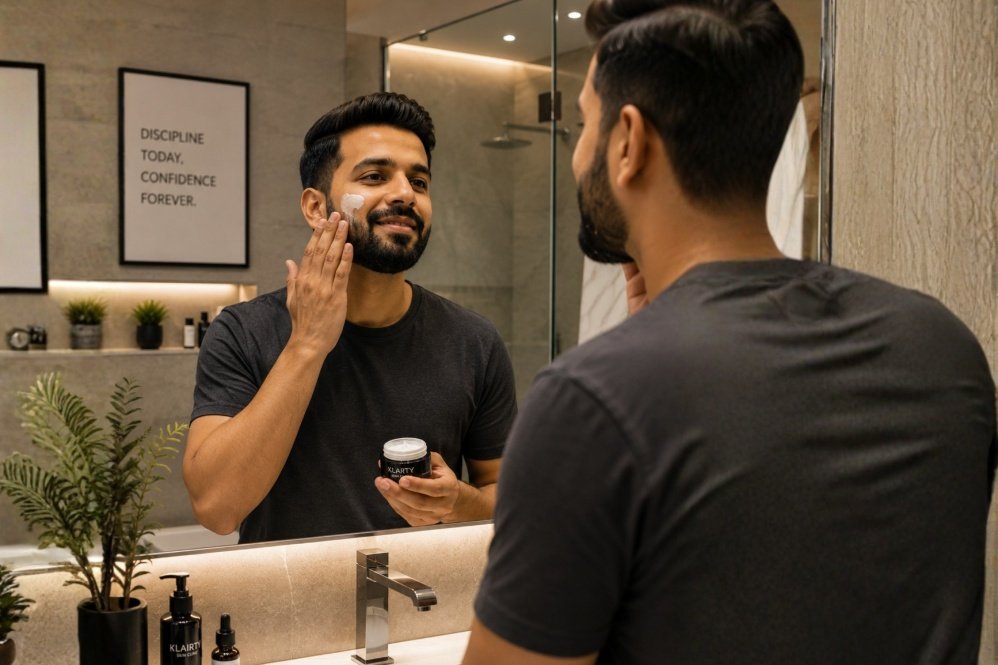
For mild to moderate cases, over-the-counter ingredients like salicylic acid, benzoyl peroxide, and adapalene can help unclog pores and reduce inflammation over a few weeks of consistent use. A gentle, fragrance-free cleanser twice a day, along with a non-comedogenic moisturizer, supports the skin barrier without adding to the problem.
For deeper, cystic, or hormonally driven breakouts, home remedies alone are rarely enough. This is where professional jawline acne treatments become important. Depending on severity, dermatologists may recommend:
Because jawline acne is often tied to internal factors like hormones, a dermatologist can also help identify whether further evaluation is needed rather than simply treating the surface.
Consistency matters more than intensity. Switching products too often, over-exfoliating, or picking at bumps can prolong healing and increase the risk of scarring, which is often harder to treat than the acne itself.
If breakouts persist for more than a few weeks despite a consistent skincare routine, or if they’re painful, cystic, or leaving marks behind, it’s a sign to seek professional guidance rather than continuing to self-treat. Persistent jawline acne can sometimes indicate an underlying hormonal or lifestyle factor that needs to be addressed directly. This is exactly the kind of situation where seeing the best dermatologist in GK2 for jawline acne can make a real difference, a trained specialist can assess your skin type, identify the specific triggers at play, and recommend a treatment plan suited to your skin rather than a generic routine.
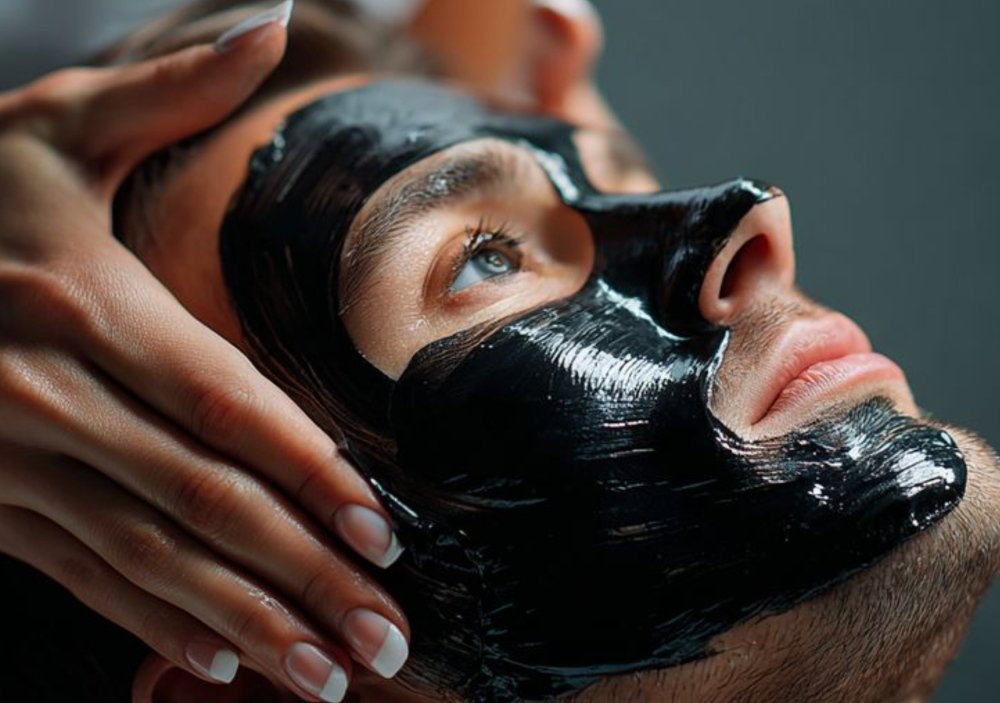
If you’re based in South Delhi and searching for the best dermatologist in GK2 for jawline acne, it helps to look for a clinic that takes a thorough, individualized approach rather than offering one-size-fits-all solutions. A good consultation should involve understanding your daily habits, shaving routine, stress levels, and any hormonal history before recommending a treatment path. This kind of personalized assessment is often the difference between temporary relief and long-term clearer skin.
Jawline acne in men is rarely just a “skincare” issue, it’s usually a combination of hormones, shaving habits, and daily routines working together. The good news is that with the right understanding of what’s triggering your breakouts, most cases respond well to a mix of good habits and, where needed, professional care. If home routines haven’t worked after a few months, don’t hesitate to consult a specialist who can identify the root cause of persistent breakouts rather than just prescribing a quick fix.
If jawline acne has been a recurring issue for you, a one-on-one consultation can help pinpoint the cause and the right treatment. Klarity Skin Clinic in GK2 offers personalized assessments for exactly this.

The jawline has a higher concentration of hormone-sensitive oil glands and thicker skin, making it more prone to clogged pores and deeper, cystic-type breakouts compared to other facial areas.
Both are possible. Shaving can cause razor burn, ingrown hairs, and folliculitis that look like acne, but it can also irritate the skin enough to trigger genuine breakouts, especially in men with sensitive skin.
Most topical treatments take 6 to 8 weeks of consistent use to show visible improvement. Professional treatments may show faster results but still require a few weeks for full effect.
Not necessarily. Adjusting technique using a sharp razor, shaving with the grain, and avoiding over-shaving is usually enough. In active flare-ups, reducing frequency for a short period can help the skin heal.
Diet can be a contributing factor for some men, particularly high-sugar or high-dairy diets, but it's rarely the sole cause. Hormones and shaving habits usually play a bigger role.
Klarity Skin Clinic, M – 69, First Floor,
M Block Market, Greater Kailash II, New Delhi 110048
Copyright © 2025 All Rights Reserved.
Klarity Skin Clinic is Unit of Acara Wellness Private Limited.