Exosome Therapy For Skin

Talk to Experts

Exosome Therapy for Skin Rejuvenation

Exosome Therapy for Skin Rejuvenation

Exosome therapy for skin rejuvenation is one of the most advanced options available in aesthetic care today. This cutting-edge therapy helps revive dull skin, reduce early signs of ageing, and improve overall skin tone and texture, all without surgery, harsh chemicals, or extended recovery periods.Exosome therapy works by delivering powerful microscopic particles derived from stem cells that naturally boost your skin’s repair and renewal process. which are packed with growth factors, peptides, and genetic material that signal the skin to regenerate and repair.

How Exosome Therapy for Skin Works?

How Exosome Therapy Works?

Exosome Therapy is a modern, non-invasive skin rejuvenation treatment that helps repair and refresh your skin from deep within. It uses tiny particles called exosomes, which are naturally released from stem cells. These powerful messengers signal your skin to boost collagen production, renew damaged cells, and improve overall skin tone and texture.

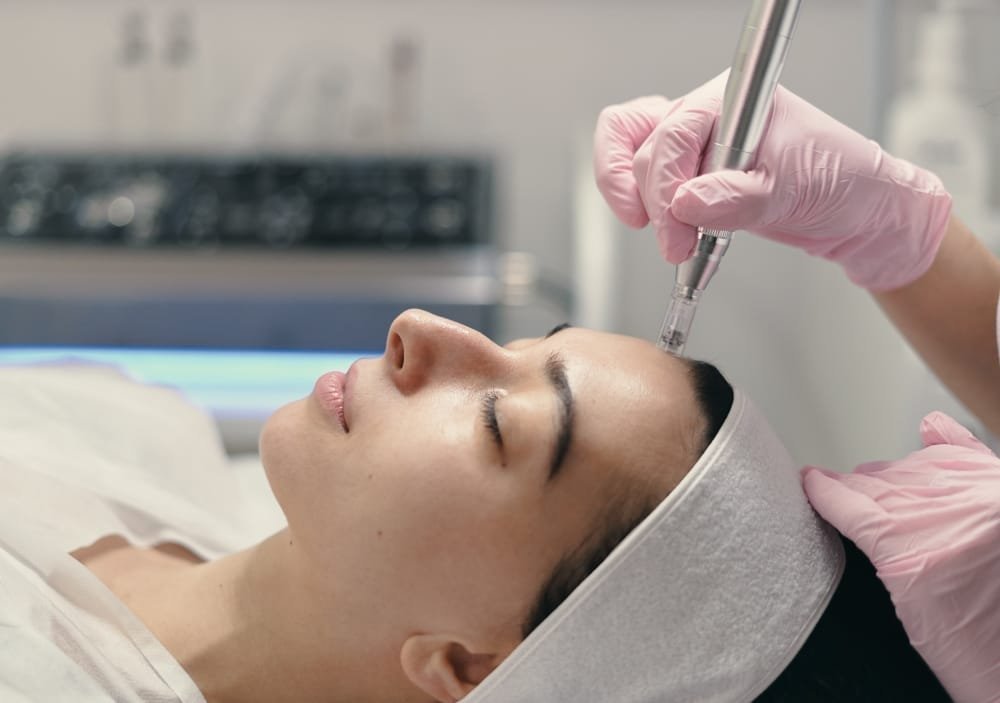
Exosomes in skincare are changing the way we approach skin rejuvenation. In most treatments, exosomes are applied directly to the skin and often paired with microneedling to help them absorb more effectively. The procedure is simple and non-invasive, no needles, no cuts, and no recovery time. What makes it unique is how it works with your skin’s natural repair process, delivering visible results without the harsh side effects of traditional treatments.

With consistent sessions, you may notice:

  • Brighter, firmer, and more even-toned skin
  • Fewer fine lines and early signs of ageing
  • Improved skin texture and overall radiance
  • Exosome therapy for skin is ideal if you’re looking for a safe, advanced skincare solution to restore your glow, without harsh chemicals, invasive procedures, or long recovery times.

Read More

Results of Exosome Therapy for Skin

Results of exosome therapy for skin

Exosome Therapy delivers visible improvements in your skin’s overall health, texture, and appearance, without the need for invasive procedures.

After just a few sessions, people notice:

  1. Brighter, more radiant skin
  2. Smoother texture with fewer rough patches
  3. Reduction in fine lines and early wrinkles
  4. More even skin tone and reduced pigmentation
  5. Improved hydration and skin firmness

The treatment works by boosting your skin’s natural repair process, leading to long-lasting, natural-looking results. Whether you’re targeting dullness, early aging, or post-acne skin issues, Exosome Therapy helps restore a fresh, youthful glow.

Skin Transformation with Exosome Therapy

Skin Transformation with Exosome Therapy

If your skin feels dull, tired, or shows early signs of ageing, Exosome Therapy offers a breakthrough solution that works with your body, not against it. This advanced, non-invasive treatment uses exosomes, which are tiny particles naturally released from stem cells, to deliver powerful skin-repairing signals deep into the layers of your skin. Over time, these messengers stimulate collagen production, improve skin elasticity, and promote cell renewal, leaving your skin looking firmer, smoother, and visibly refreshed. The best part? There’s no harsh downtime, no aggressive chemicals, just a gentle, science-backed way to restore your natural glow. Whether you’re dealing with uneven texture, fine lines, or loss of radiance, Exosome Therapy can help rejuvenate your skin from within. Safe, effective and backed by clinical research, it’s quickly becoming one of the most sought-after treatments for skin transformation. You can also explore our PRP skin treatment or exosomes hair treatment.

Frequently asked questions

Exosomes and PRP are different treatments, and there is currently insufficient high-quality clinical evidence to establish that exosomes are better than PRP for facial rejuvenation. PRP uses components from a patient's own blood, while exosome treatments use extracellular vesicles derived from a particular biological source. The choice depends on the patient's skin concerns, treatment goals and a dermatologist's assessment.

The time taken to notice changes varies depending on the product, application method and individual skin condition. Some people may notice changes in skin appearance over the following weeks, but there is no guaranteed timeline. The clinical evidence is still developing, so results should be discussed realistically before treatment.

The number of sessions depends on the skin concern, product used, delivery method and individual response. There is no universally established treatment schedule for exosome therapy. A dermatologist should assess your skin and explain the proposed protocol before recommending a course of treatment.

Suitability depends on your skin condition, medical history, treatment goals and the specific exosome product being considered. A dermatologist should assess whether the treatment is appropriate and explain its potential benefits, limitations and uncertainties. It should not be assumed to be suitable for everyone.

Exosomes are tiny extracellular vesicles released by cells that carry biological signals, including proteins, lipids and genetic material. Researchers are studying their potential role in cell communication, inflammation and skin repair. In aesthetic treatments, they are being explored for possible improvements in skin texture, hydration and signs of ageing, although more robust clinical research is needed to confirm their benefits.

The safety of exosome therapy depends on the product's source, manufacturing quality, preparation and method of application. Although early studies have reported promising findings, long-term safety data and standardised treatment protocols remain limited. Before considering treatment, ask your dermatologist about the product being used, its source, quality controls and whether the proposed application method is appropriate.

Exosome-based treatments are being studied for their potential to improve skin hydration, texture, elasticity and the appearance of fine lines. However, results vary, and current clinical evidence is not strong enough to guarantee these outcomes. Your dermatologist should explain what improvements are realistic for your particular skin concern.

Possible side effects depend on how the product is applied. Topical application may cause temporary irritation, redness or sensitivity. When combined with microneedling, additional effects such as swelling, pinpoint bleeding and temporary redness may occur. Injectable use carries different risks, including inflammatory reactions and complications associated with the product. Discuss the specific risks and aftercare with your dermatologist before proceeding.