How Environmental Pollution from Ongoing Wars Affects Your Skin and Hair

When we think about pollution, we usually picture traffic, factories, and smog-filled skies. But there’s another, often overlooked source that silently worsens air quality: environmental pollution from war. Increased airborne toxins, fine particles, heavy metals, and chemical residues can travel far beyond conflict zones, settling into the air we breathe and the water we use.
You may not see it, but your skin and hair feel it every single day.
If you’ve been experiencing sudden dullness, irritation, breakouts, unexplained hair shedding, or increased scalp sensitivity, pollution could be a major trigger. Let’s break down exactly how war pollution affects skin health, the effects of pollution on skin and hair, and what you can do about it.
Environmental pollution from war refers to the release of harmful particles and toxic compounds into the environment due to explosions, burning materials, damaged infrastructure, and debris. These pollutants often include:
These microscopic particles linger in the air and eventually settle on your skin and scalp. Over time, exposure can compromise your skin barrier and disrupt your scalp’s natural balance.

Your skin is your body’s first line of defense. When it comes into contact with airborne pollutants, several processes begin almost immediately.
Pollutants penetrate the outer layer of your skin, damaging lipids that keep moisture locked in. This leads to:
This is one of the primary effects of pollution on skin, a compromised barrier that can’t protect you properly.
Airborne toxins generate free radicals. These unstable molecules damage collagen and elastin, leading to:
Uneven texture
If you’re wondering how war pollution affects skin health long-term, accelerated aging is a key answer.
Pollution particles clog pores and mix with excess oil. This combination creates a perfect environment for bacterial growth, resulting in:
Even people who’ve never struggled with acne may suddenly notice persistent skin congestion.
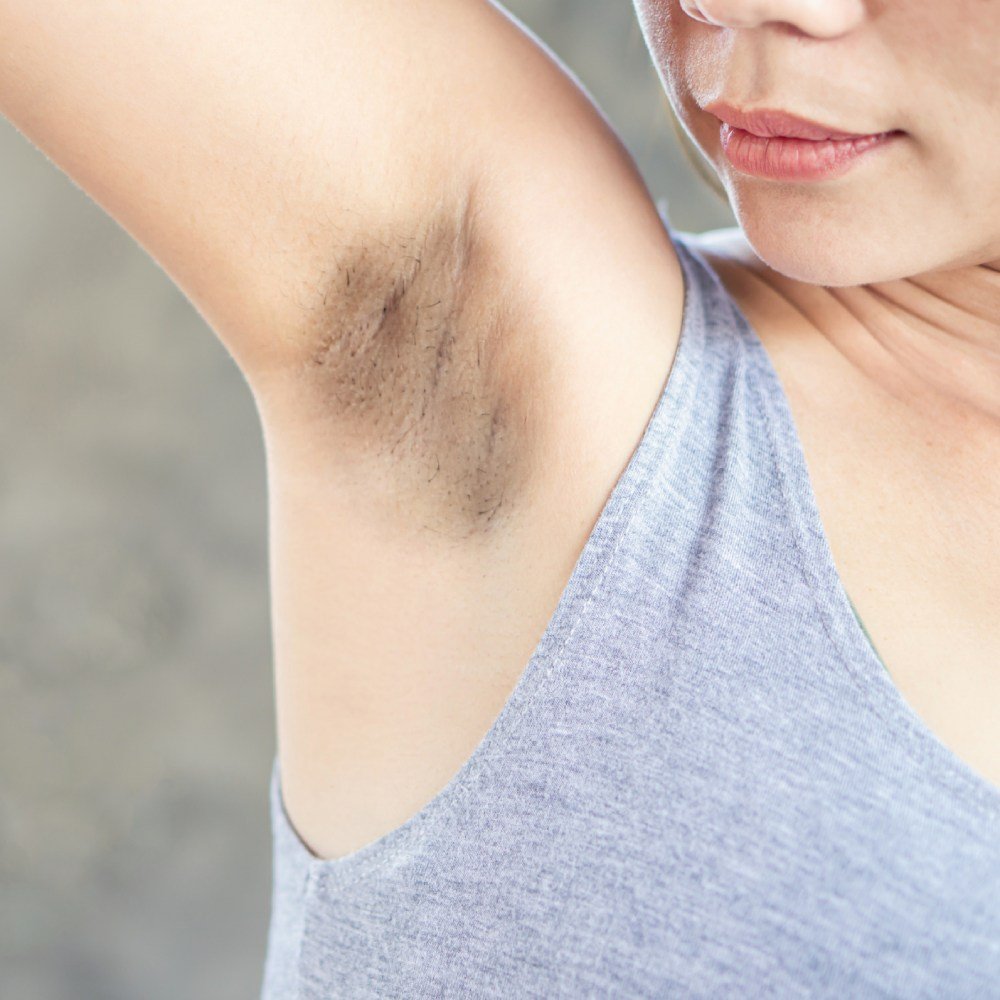
Toxic exposure can stimulate melanin production, leading to:
Over time, skin begins to look tired and stressed.
Hair and scalp health are just as vulnerable.
Here are the most common causes of hair fall due to pollution:
Pollutants irritate the scalp, triggering inflammation. An inflamed scalp restricts healthy hair growth cycles and weakens follicles.
Just like pores on your face, hair follicles can become blocked by dirt, oil, and airborne toxins. This suffocates roots and contributes to thinning.
Pollution breaks down keratin, the protein that gives your hair strength. The result?
Toxic particles interfere with your scalp’s natural oil production. Some people experience excess oiliness, while others develop extreme dryness, both can lead to hair fall.

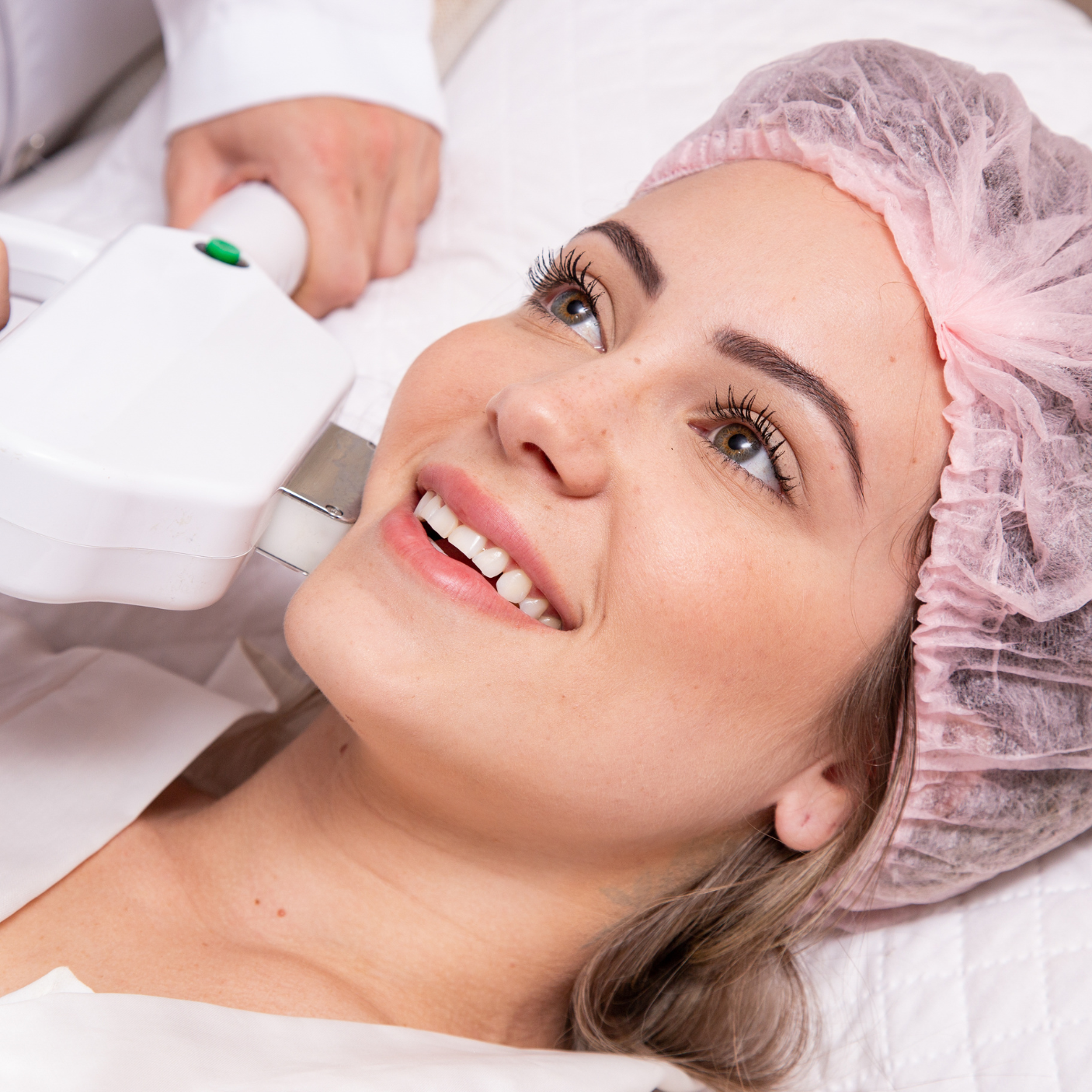
If pollution has weakened your skin barrier or caused persistent irritation, professional treatments can help restore balance more effectively than home care alone. Here are four advanced treatment options commonly recommended for pollution-damaged skin.
HydraFacial is a multi-step treatment that deeply cleanses, exfoliates, and infuses antioxidant-rich serums into the skin. It helps:
This is ideal for dull, congested skin affected by environmental pollution from war.
Mild to medium-depth chemical peels remove damaged outer layers caused by toxins and oxidative stress. Benefits include:
Chemical peels are highly effective in reversing visible effects of pollution on skin.
Laser treatments stimulate collagen production and repair deeper layers of pollution-damaged skin. They help with:
For those concerned about how war pollution affects skin health over time, this treatment addresses deeper cellular damage.
PRP uses your body’s own growth factors to boost healing and regeneration. It supports:
This treatment for pollution damaged skin promotes natural restoration from within.

When pollution leads to persistent shedding, professional scalp and hair therapies can help strengthen follicles and restore growth cycles. Here are four effective treatments for hair fall caused by pollution.
PRP therapy stimulates dormant hair follicles using concentrated growth factors derived from your blood. It helps:
This is particularly effective when inflammation and oxidative stress are major causes of hair fall due to pollution.
GFC therapy uses purified growth factors to nourish and activate weak follicles. Benefits include:
It directly addresses follicle damage caused by environmental toxins.
Mesotherapy involves microinjections of vitamins, antioxidants, and nutrients into the scalp. It helps:
This treatment is beneficial for pollution-triggered scalp imbalance.
Low-level laser therapy stimulates circulation and cellular activity in the scalp. It supports:
This non-invasive option is effective for restoring hair weakened by environmental stressors.
Beyond treatments, simple habits make a big difference:
Small changes can dramatically reduce long-term damage.
If you notice:
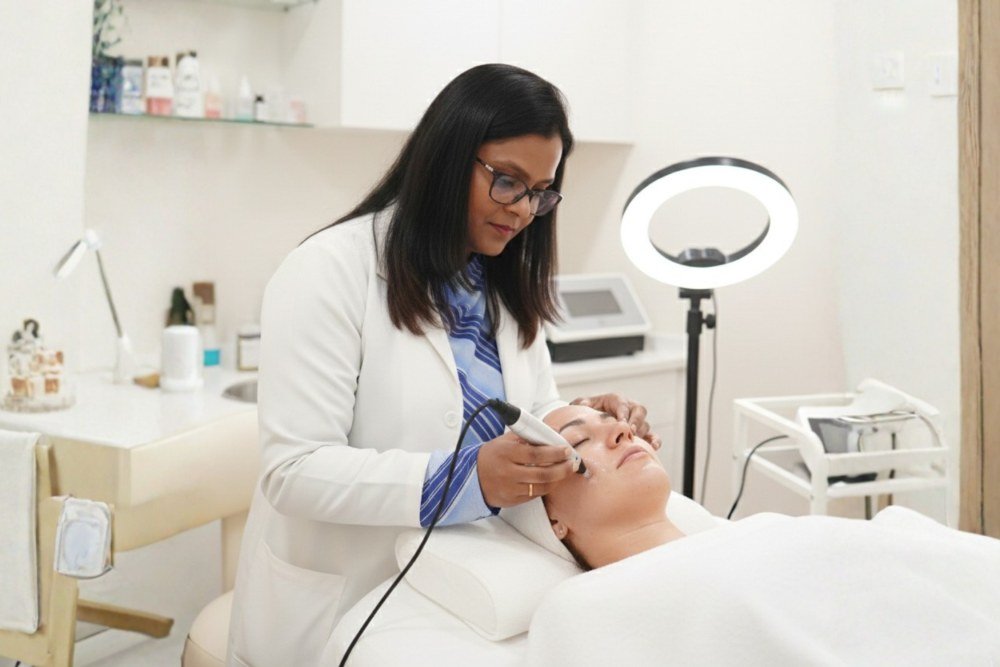
It’s best to consult a qualified dermatologist. Early intervention prevents long-term complications.
Environmental pollution from war doesn’t just impact the air; it impacts you. The invisible toxins circulating in the atmosphere can weaken your skin barrier, accelerate aging, clog pores, inflame your scalp, and trigger hair shedding.
Understanding the effects of pollution on skin and recognizing the causes of hair fall due to pollution allows you to take control before damage becomes severe.
If you’re noticing visible changes in your skin or hair and want professional guidance tailored to pollution-related damage, explore advanced skin and hair solutions at TheKlarity’s expert clinic. Our expert-led treatments can help restore balance, strengthen protection, and bring back healthy skin and hair with confidence.
Klarity Skin Clinic, M – 69, First Floor,
M Block Market, Greater Kailash II, New Delhi 110048
Copyright © 2025 All Rights Reserved.
Klarity Skin Clinic is Unit of Acara Wellness Private Limited.